
Learning pottery is a rewarding way to explore creativity, develop new skills, and enjoy a relaxing break from everyday life. If you are searching for pottery wheel classes in Imperial Beach, you can discover the art of shaping clay into beautiful, functional pieces with guidance from an experienced instructor.
At Art Wheel Studio, we offer hands-on pottery experiences designed to introduce people to the creative process. Whether you want to make your first ceramic bowl, try a new hobby, or enjoy an artistic activity with friends, a pottery wheel class is a great place to start.
Located in Imperial Beach, Art Wheel provides creative experiences for people interested in pottery and ceramics near San Diego. You do not need previous experience to begin. With patience, practice, and helpful instruction, you can learn the basic techniques of wheel throwing and create something unique with your own hands.
In this guide, we will explain what to expect from a pottery class, how long it takes to learn the wheel, how to find affordable options, and what to wear for your first session.

Why Choose Pottery Wheel Classes in Imperial Beach?
Pottery combines creativity, practical skills, and hands-on learning. Unlike activities that require you to watch or listen, wheel throwing allows you to participate in every step of making an object.
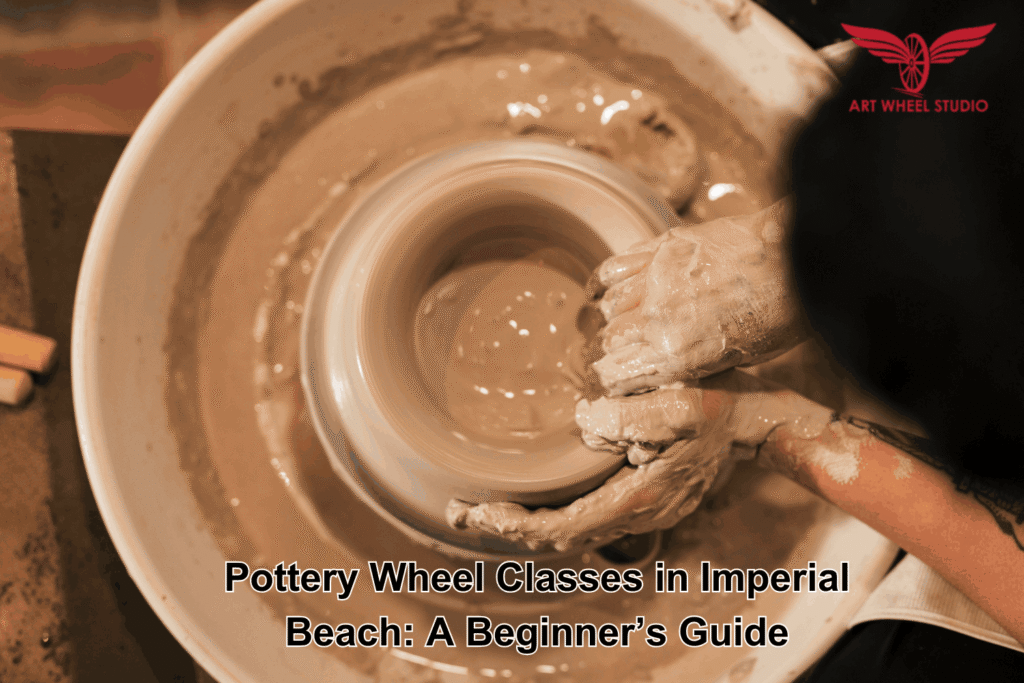
During a pottery wheel class, you work with clay as it spins on a rotating wheel. You learn how to control the clay, shape its walls, and create forms such as cups, bowls, and small ceramic vessels.
There are several reasons to try pottery in Imperial Beach.
Enjoy a Creative Break
Working with clay encourages you to slow down and focus on the task in front of you. Instead of worrying about daily responsibilities, you can concentrate on shaping your piece and learning a new skill.
Learn a Practical Artistic Skill
Pottery introduces you to the fundamentals of ceramic design. As you gain experience, you can explore different shapes, textures, surface decorations, and glazing techniques.
Create Something Personal
Every handmade ceramic piece is different. Even if you follow the same instructions as another student, your finished work will reflect your individual approach.
Enjoy a Social Experience
Pottery classes are also suitable for friends, couples, and small groups who want to try something different. You can share the experience, learn together, and enjoy the process of creating something by hand.
If you are looking for a creative activity near the coast, Art Wheel Studio offers an opportunity to explore pottery in Imperial Beach.
What to Expect in a Pottery Wheel Class at Art Wheel
If you have never used a pottery wheel, you may wonder whether the process is difficult. Fortunately, a beginner-friendly class introduces the basic techniques step by step.
Art Wheel offers an introductory pottery wheel experience that helps students explore the fundamentals of wheel throwing. The session is designed to give beginners practical experience with clay and the pottery wheel.
Here is what you can generally expect.
1. Introduction to Clay and Equipment
First, you will become familiar with the clay, pottery wheel, and basic tools. Your instructor can explain how to prepare the clay and why proper positioning matters.
2. Centering the Clay
Centering is one of the most important pottery wheel skills. You use your hands to bring the clay into a balanced position while the wheel spins.
This step may take practice. However, learning the basics helps you create more stable and even shapes.
3. Opening and Shaping the Clay
Once the clay is centered, you create an opening in the middle. Next, you gradually shape the clay into a simple form.
You may try making a small bowl, cup, or similar object. Your instructor can demonstrate how to apply steady pressure without allowing the clay to collapse.
4. Refining Your Creation
After shaping the clay, you can learn how to improve the form and smooth its edges. Depending on the class, you may also explore basic finishing techniques.
5. Firing and Finishing
Freshly shaped clay must dry and go through the appropriate ceramic firing process before it becomes a finished piece. Glazing may also be part of the process.
Ask Art Wheel about the current class inclusions, firing arrangements, and collection timeline before booking your session.
Pottery Wheel Classes in Imperial Beach Near Me
Searching for pottery wheel classes in Imperial Beach near me is a useful way to find local studios where you can learn ceramics without traveling far.
Art Wheel Studio is located in Imperial Beach and offers hands-on pottery experiences for beginners and people interested in creative workshops.
When choosing a nearby pottery class, consider these factors:
- Location: Choose a studio that is convenient to reach from your home, workplace, or accommodation.
- Instructor guidance: Beginners benefit from clear demonstrations and helpful feedback.
- Class duration: Check whether the session is a short introduction or a longer course.
- Materials: Confirm whether clay, tools, glazing, and firing are included.
- Experience level: Look for a class that welcomes first-time students.
- Finished pieces: Ask whether you can keep your work and when it will be ready.
Choosing a class that matches your schedule and experience level can make your first pottery session more enjoyable.
To explore current pottery experiences, visit Art Wheel Studio or contact the studio at 619-920-6864.
Finding a Pottery Wheel Class in San Diego
San Diego has a variety of ceramics studios and creative workshops. Some offer one-time introductory sessions, while others provide multi-week courses for students who want to develop their skills over time.
When searching for a pottery wheel class in San Diego, first decide what you want from the experience.
One-Time Beginner Classes
A one-time class is a good choice if you want to try pottery without making a long-term commitment. It introduces you to the wheel and gives you an opportunity to experience the process.
This option is suitable for first-time students, visitors, and people looking for a creative weekend activity.
Multi-Week Pottery Courses
A multi-week course provides more time to practice centering, shaping, trimming, and finishing. Repeated sessions can help you develop better control and understand how clay behaves.
Choose this option if you want to build a regular hobby or develop more advanced skills.
Private Pottery Lessons
Private lessons offer more individual attention. They can be helpful if you prefer personalized instruction or want to work toward a particular goal.
Group Pottery Workshops
Group workshops provide an opportunity to learn with friends, family members, or colleagues. They can also be a fun choice for birthdays and other special occasions.
Art Wheel offers pottery experiences in Imperial Beach, making it a local option for people searching for creative classes in the wider San Diego area.
How to Find Top-Rated Pottery Classes in San Diego
When looking for top-rated pottery classes in San Diego, do not rely on star ratings alone. A high rating can be helpful, but the class should also match your learning goals.
Consider the following points before booking.
Read recent reviews. Look for comments about the instructor’s teaching style, the overall experience, and the suitability of the class for beginners.
Check what the class includes. Some sessions include materials and firing, while others may charge separately for certain services.
Review the class format. Decide whether you prefer a small group, private instruction, or a longer course.
Look at the learning experience. A good introductory class should explain the basics and give you time to practice.
Confirm the details directly. Schedules, availability, age requirements, and class inclusions can change.
Art Wheel’s website provides information about its pottery experiences and customer feedback. Reviewing the current details can help you decide whether its classes are right for you.
Cheap Pottery Classes in San Diego: How to Save Money
Pottery does not have to become an expensive hobby. The key is to choose a class that fits your budget and avoid buying equipment before you know how often you want to practice.
If you are searching for cheap pottery classes in San Diego, compare the total cost rather than focusing only on the advertised class fee.
Start With a Single Session
A one-time introductory class lets you explore pottery before paying for a multi-week course or studio membership.
This is a practical choice if you are unsure whether you will enjoy wheel throwing.
Check What Is Included
A lower advertised price may not include every part of the process. Before booking, ask whether the fee covers:
- Clay and basic tools
- Instructor guidance
- Glazing materials
- Kiln firing
- Finished-piece collection
Understanding these details helps you compare classes fairly.
Look for Introductory Offers
Some studios offer special workshops, seasonal promotions, or discounted packages. Check the studio’s official website and booking information for current offers.
Consider Community Art Programs
Community art centers sometimes provide affordable pottery classes or subsidized creative programs. Availability and eligibility vary, so review the details before enrolling.
Avoid Buying Equipment Too Early
You do not need a pottery wheel, kiln, or a large collection of tools to attend your first class. Learning in a studio gives you access to equipment without the cost and space requirements of setting up a home studio.
The best affordable pottery class is one that provides useful instruction and clearly explains what you will receive for your money.
Are There Free Pottery Classes in San Diego?
If you are searching for free pottery classes in San Diego, you may find occasional community workshops, public art events, demonstrations, or sponsored programs.
However, a complete pottery wheel class may not be free because clay, equipment, instructor time, and kiln firing all involve costs.
Here are a few ways to explore low-cost or free opportunities.
- Community art events: Check local event calendars for pottery demonstrations and introductory art activities.
- Public arts programs: Community centers and nonprofit arts organizations may offer selected workshops or financial assistance.
- Special promotions: Some studios occasionally provide introductory offers or event-based discounts.
- Scholarships and subsidized classes: Ask arts organizations whether they offer financial assistance for eligible participants.
Remember to check whether an event includes hands-on wheel throwing. A pottery demonstration may let you watch an artist work without providing time to use the wheel yourself.
If you want a guided introduction, contact Art Wheel to ask about current class options and any available promotions.
How Long Does It Take to Learn the Pottery Wheel?
Learning pottery takes time, but you can begin exploring the basics in a single session.
Your progress depends on how often you practice, the techniques you learn, and the amount of instructor feedback you receive.
Your First Session
During an introductory class, you can learn how to prepare clay, position your hands, center the clay, and attempt a simple shape.
Your first piece may not look exactly as you imagined. That is a normal part of learning.
After Several Sessions
With repeated practice, you may become more comfortable controlling the clay and maintaining an even shape. You can also begin understanding how small changes in hand pressure affect the final result.
After Several Months
Regular practice over several months can help you develop greater consistency. You may become more confident making bowls, cups, and other basic forms.
More advanced work requires additional time. Creating matching sets, throwing larger vessels, and producing consistent results all involve continued practice.
Becoming an Experienced Potter
There is no fixed deadline for mastering pottery. Even experienced ceramic artists continue experimenting with clay, shapes, glazes, and firing methods.
The most important step is to begin. A guided class can help you understand the fundamentals and decide whether you want to continue learning.
Is Learning Pottery Expensive?
Learning pottery can be affordable when you begin with studio classes. The overall cost depends on whether you attend occasional workshops or invest in a regular pottery practice.
A beginner usually needs less equipment than someone who wants to produce pottery independently at home.
Costs to Consider
Class fees: These cover instruction and may include some or all materials.
Clay and tools: Studio classes often provide the basic supplies. If you continue at home, you may need to purchase additional tools and clay.
Glazing and firing: Ceramic pieces must be fired in a suitable kiln. These services may be included in your class fee or charged separately.
Studio access: Regular students may choose memberships or open-studio arrangements, depending on the studio’s policies.
Home equipment: A pottery wheel, kiln, workspace, and related supplies can increase the cost considerably if you decide to establish a home studio.
How to Keep Your Pottery Budget Manageable
Start with a beginner class and use the studio’s equipment. Practice the basic techniques before investing in personal supplies.
You can also compare class inclusions and ask about the cost of additional sessions. This approach helps you decide how much you want to spend as your skills develop.
For many beginners, the simplest way to start is with one guided pottery wheel experience.
Which Town Is Famous for Pottery?
Several towns around the world are known for their pottery traditions. Their reputations often come from distinctive clay, local craftsmanship, historic production methods, and ceramic designs.
Here are a few well-known examples.
Stoke-on-Trent, England
Stoke-on-Trent is widely associated with British pottery and ceramics. The area developed a strong pottery industry, supported by its clay resources and manufacturing heritage.
Jingdezhen, China
Jingdezhen is internationally renowned for its long history of porcelain production. Its ceramic traditions have influenced pottery and decorative arts around the world.
Khurja, India
Khurja, in Uttar Pradesh, is famous for its pottery industry and colorful glazed ceramic products. It is an important center for Indian ceramics.
Talavera de la Reina, Spain
Talavera de la Reina is known for its decorative pottery and colorful glazed ceramics, including traditional painted designs.
These places demonstrate how pottery can reflect a region’s history, materials, culture, and artistic traditions.
You do not need to travel to a historic pottery town to experience the craft. A local class in Imperial Beach can introduce you to the same fundamental process of shaping clay by hand.
What Do I Wear to a Pottery Wheel Class?
Choosing the right clothing helps you stay comfortable and focus on learning.
Pottery involves wet clay, splashes of water, and occasional mess. Therefore, wear clothes that you do not mind getting dirty.
Wear Comfortable Clothing
Choose a comfortable T-shirt and pants that allow you to move your arms and sit easily at the wheel. Avoid loose sleeves that may drag through wet clay.
Choose Practical Footwear
Closed-toe shoes are a sensible choice because they protect your feet from dropped tools and clay-covered floors.
Keep Your Hair Tied Back
If you have long hair, tie it back so it stays away from the wheel and your work.
Keep Your Fingernails Short
Short fingernails make it easier to control wet clay and reduce the chance of leaving unwanted marks while shaping a piece.
Avoid Expensive Clothing and Jewelry
Remove jewelry that could catch on equipment or interfere with your hand movements. Leave delicate clothing at home, as clay can be difficult to remove from some fabrics.
Bring Weather-Appropriate Layers
If your class takes place in an outdoor or covered outdoor studio, check the weather before leaving. A light jacket or warmer layer may be useful on cooler days.
You generally do not need to bring pottery tools for your first session unless the instructor specifically requests them. Confirm the studio’s preparation instructions before attending.
Pottery Wheel Throwing vs. Handbuilding: Which Should You Try?
Pottery offers several ways to work with clay. Two popular methods are wheel throwing and handbuilding.
Pottery Wheel Throwing
Wheel throwing uses a rotating wheel to shape clay into balanced forms. It is often used to make bowls, cups, mugs, and vases.
This technique requires coordination and practice. However, it is a rewarding option if you want to learn how to create rounded ceramic forms.
Handbuilding
Handbuilding involves shaping clay without a pottery wheel. Common techniques include pinch pots, coil building, and slab construction.
This method allows you to create decorative objects, sculptural forms, trays, and many other designs.
Which Method Is Best for Beginners?
Both techniques are suitable for beginners. Your choice depends on what you want to create and how you prefer to work.
If you want to experience the spinning wheel and learn traditional throwing techniques, try a pottery wheel class. If you prefer shaping clay directly with your hands, a handbuilding workshop may be a better starting point.
Art Wheel offers both pottery wheel and handbuilding experiences, giving you opportunities to explore different approaches to ceramics.
Benefits of Learning Pottery at Any Age
Pottery is not only about creating attractive objects. It also offers an opportunity to develop patience, focus, and practical artistic skills.
Encourages Creativity
Working with clay gives you freedom to experiment with forms, textures, and designs. Each project provides an opportunity to try something new.
Develops Hand-Eye Coordination
Wheel throwing requires you to coordinate your hands with the movement of the wheel. With practice, you learn to control pressure and movement more carefully.
Builds Patience
Clay responds to gradual, controlled movements. Learning to shape it teaches you that improvement often comes through repetition rather than rushing.
Provides a Shared Activity
A pottery class can be a memorable experience for couples, friends, and small groups. Everyone can learn the same fundamentals while creating individual pieces.
Creates a Sense of Achievement
Finishing a ceramic piece provides a tangible result of your effort. Even a simple bowl can feel meaningful because you shaped it yourself.
Pottery can be enjoyed as a relaxing hobby, a creative challenge, or the beginning of a longer artistic journey.
Why Choose Art Wheel for Pottery Classes in Imperial Beach?
Art Wheel Studio offers hands-on creative experiences for people interested in exploring pottery and ceramics in Imperial Beach.
The studio’s pottery experiences are designed to help participants discover the process of working with clay in a welcoming learning environment.
Here are some reasons to consider Art Wheel for your first pottery session.
- Beginner-friendly experiences: Explore the fundamentals of pottery without needing previous wheel-throwing experience.
- Hands-on instruction: Learn through demonstrations and practical work with clay.
- Creative opportunities: Discover wheel throwing and other ways to shape clay.
- Individual expression: Experiment with forms and create a piece that reflects your own ideas.
- Local convenience: Enjoy a pottery experience in Imperial Beach rather than traveling farther into San Diego.
Whether you want to explore a new hobby, enjoy a creative outing, or learn the basics of ceramics, a guided class can help you take the first step.
Visit Art Wheel’s official website to explore the available experiences, or contact the studio at 619-920-6864 for current details.
Book Your Pottery Wheel Class in Imperial Beach
Learning pottery begins with a willingness to experiment. Your first attempt may be uneven, and your next piece may look completely different. With guidance and practice, you can gradually build confidence and learn how to shape clay into functional and decorative forms.
If you are searching for pottery wheel classes in Imperial Beach, beginner pottery classes near you, or a pottery wheel class in San Diego, Art Wheel offers an opportunity to explore this creative craft.
Start with an introductory session, learn the basics, and discover whether pottery is the right hobby for you.
Ready to try the pottery wheel? Visit Art Wheel Studio or call 619-920-6864 to ask about available classes, scheduling, and booking.
Frequently Asked Questions
1. Do I need pottery experience before joining a wheel class?
No. Beginner pottery wheel classes introduce the basic techniques and equipment. You can start without previous experience and learn through demonstrations and practice.
2. How long is a pottery wheel class at Art Wheel?
Art Wheel advertises an introductory pottery wheel experience. Check the current booking details or contact the studio to confirm the session duration, schedule, and inclusions.
3. How long does it take to learn pottery?
You can learn basic techniques during an introductory class. Developing consistent wheel-throwing skills usually requires repeated practice over several sessions or months.
4. Are there affordable pottery classes in San Diego?
Yes. Introductory workshops and community art programs may provide affordable ways to explore pottery. Compare the total cost, including materials, glazing, and firing, before booking.
5. Can I find free pottery classes in San Diego?
Free opportunities may be available through community events, demonstrations, and sponsored art programs. However, full hands-on wheel classes may require a fee to cover instruction and materials.
6. What should I wear to a pottery wheel class?
Wear comfortable clothes that can get dirty, closed-toe shoes, and short fingernails. Tie back long hair and avoid loose sleeves or jewelry that could interfere with your work.
7. Can I take a pottery class with friends?
Yes. Pottery can be a fun group activity. Ask Art Wheel about current private lessons, group experiences, or event options and the number of participants they can accommodate.
8. Will I take my finished pottery home on the same day?
Usually, freshly shaped clay needs to dry and be fired before it is ready to use. Ask the studio about glazing, firing, and collection arrangements before your class.
9. Is wheel throwing harder than handbuilding?
Wheel throwing can require more coordination at first because you must control the clay while the wheel rotates. Handbuilding offers a different approach that does not require a wheel. Both techniques improve with practice.
10. Where can I book pottery wheel classes in Imperial Beach?
You can visit Art Wheel Studio’s website or call 619-920-6864 to ask about current pottery wheel classes and available booking options.