

Are you looking for a handbuilding class for teens in Imperial Beach? Pottery is a fun way for teenagers to explore their creativity, learn practical art skills, and make unique objects with their own hands. From decorative bowls to handmade sculptures, working with clay offers endless opportunities to experiment and express individual ideas.
Handbuilding is one of the most accessible ways to begin learning pottery. Unlike wheel throwing, it does not require a pottery wheel. Instead, students shape clay using their hands and simple tools to create functional and decorative pieces.
Art Wheel Studio in Imperial Beach offers creative pottery experiences for people interested in exploring ceramics. For teens who enjoy hands-on activities, pottery can be an exciting opportunity to discover a new hobby and develop artistic confidence.
In this guide, we will explore handbuilding techniques, teen art classes in San Diego, pottery wheel classes, class reviews, and tips for choosing the right creative workshop.
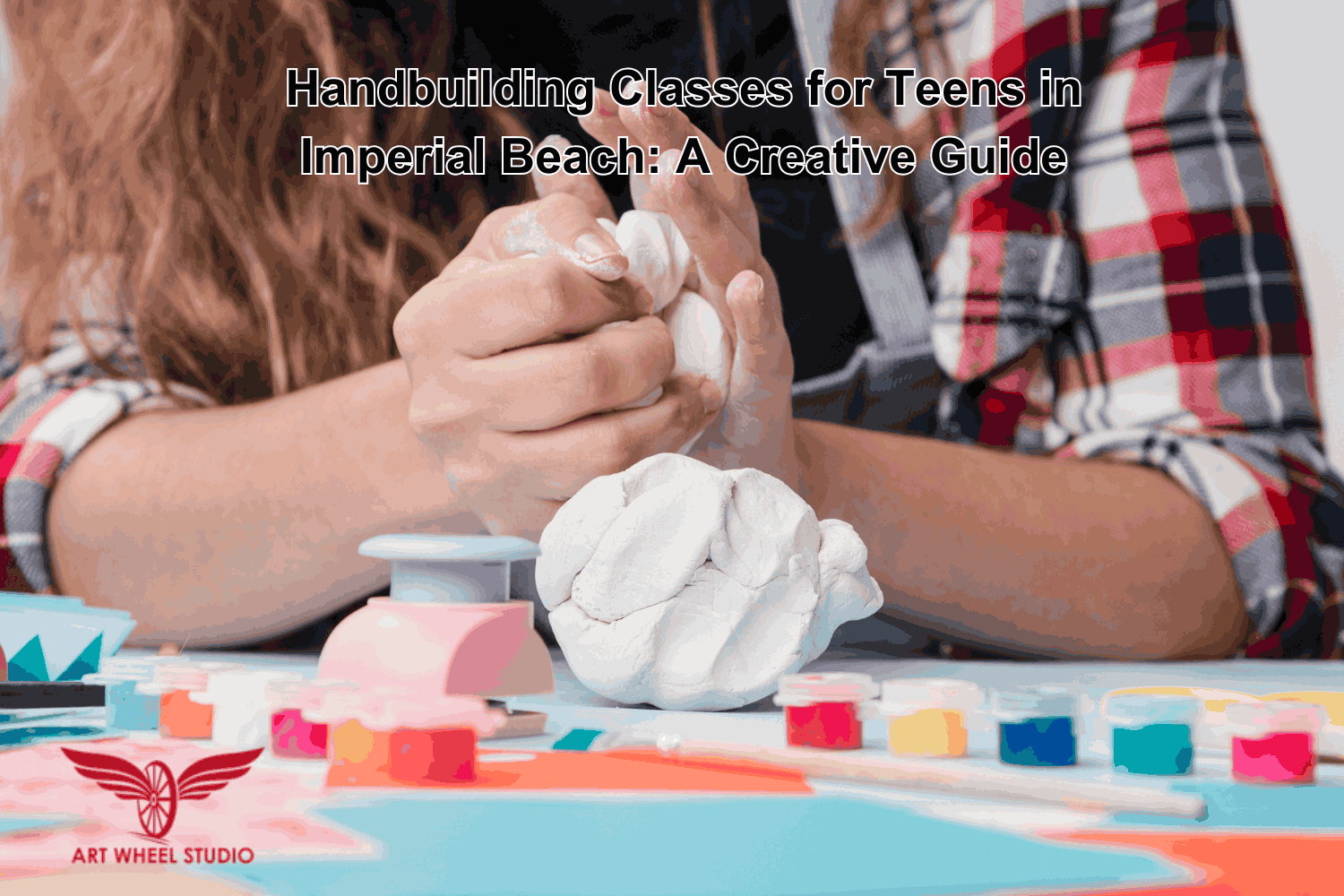
What Is Handbuilding in Pottery?
Handbuilding is a pottery technique that involves shaping clay by hand rather than using a spinning pottery wheel. It allows artists to create many different forms, including bowls, plates, small sculptures, decorative objects, and personalized gifts.
For teenagers, handbuilding provides a flexible way to experiment with clay without needing advanced equipment.
There are three main handbuilding techniques: pinch pottery, coil building, and slab construction. Each technique offers a different way to shape and decorate clay.
Pinch Pottery
Pinch pottery is one of the simplest techniques for beginners. Students start with a small ball of clay and use their fingers and thumbs to create an opening.
They gradually pinch and shape the clay to form a small bowl, cup, or decorative object.
This technique helps beginners understand how clay responds to pressure. It also encourages them to work slowly and pay attention to the thickness of the walls.
Coil Building
Coil building involves rolling clay into long, rope-like shapes. Students stack and join these coils to create larger forms.
This technique can be used to make vases, containers, sculptural pieces, and decorative designs.
Teens can experiment with different coil sizes and patterns. They can also smooth the coils together or leave some of the texture visible.
Slab Building
Slab building uses flattened sheets of clay to create structured forms. Students cut, join, and shape the slabs to make objects such as trays, small boxes, wall decorations, and ceramic plates.
This technique introduces basic construction and design skills. It also gives students more control over straight edges, angles, and geometric shapes.
Each handbuilding method offers a different creative experience. Beginners can start with simple projects and gradually explore more detailed designs as their skills improve.
Why Choose a Handbuilding Class for Teens in Imperial Beach?
Teenagers benefit from creative activities that allow them to explore their interests and learn through experience. A handbuilding pottery class provides an opportunity to wo rk with clay, experiment with different techniques, and create something personal.
Here are some reasons to consider handbuilding for teens.
Encourage Creative Expression
Handbuilding allows students to turn their ideas into physical objects. They can experiment with shapes, textures, patterns, and decorative details.
There is no single correct design for every project. This freedom encourages teenagers to develop their own artistic style.
Learn Practical Art Skills
Pottery introduces useful skills such as shaping, measuring, joining materials, and understanding form.
Students can also explore how texture, balance, and proportion influence the appearance of a finished object.
These skills may support other creative interests, including sculpture, product design, illustration, and mixed-media art.
Build Patience and Focus
Clay requires careful handling. Students learn to apply steady pressure, join pieces properly, and make adjustments without rushing.
As a result, handbuilding encourages patience and attention to detail.
Create Personalized Objects
Handbuilt pottery can become a decorative piece, a small container, or a handmade gift.
Teenagers can personalize their work with textures, patterns, initials, or other design elements. This makes every project an opportunity to create something meaningful.
Enjoy a Screen-Free Activity
A pottery class offers a break from digital entertainment. Instead of looking at a screen, students work directly with materials and focus on the creative process.
For families looking for engaging activities in Imperial Beach, pottery can be a rewarding way to introduce teens to hands-on art.
What to Expect in a Teen Handbuilding Pottery Class
If your teenager has never worked with clay, there is no need to worry. A beginner-friendly handbuilding workshop typically introduces the materials and techniques step by step.
The exact activities depend on the studio and class format. However, a typical session may include the following stages.
1. Introduction to Clay
Students learn about the clay they will use and become familiar with basic pottery tools.
The instructor may explain how moisture affects clay and why the material needs to be handled carefully.
2. Choosing a Project
Next, students select or receive instructions for a project. Beginners may start with a small bowl, decorative tile, or simple sculptural object.
Starting with a manageable project makes it easier to learn the basic techniques.
3. Shaping the Clay
Students use their hands and tools to pinch, roll, flatten, or join the clay.
The instructor may demonstrate how to create an even thickness and avoid weak joints. Students can then apply those techniques to their own projects.
4. Adding Textures and Decorations
Once the basic shape is complete, students can experiment with surface details.
They may press patterns into the clay, create simple designs, or add decorative elements. These details help give each piece an individual appearance.
5. Drying and Finishing
Freshly shaped pottery must dry before it can be fired in a kiln. Depending on the workshop, glazing and additional finishing may happen later.
Ask the studio whether firing, glazing, and collection of finished pieces are included in the class.
A well-structured introduction gives teens time to experiment while learning the fundamentals of working with clay.
Handbuilding Classes for Teens in Imperial Beach Near Me
When searching for a handbuilding class for teens in Imperial Beach near me, start by identifying studios that offer beginner-friendly pottery or ceramics activities.
It is important to check the class details carefully. Some studios focus on adult workshops, while others offer programs specifically for younger students.
Before booking, consider these factors.
- Age requirements: Confirm that teenagers in your child’s age group can participate.
- Beginner instruction: Look for classes that explain basic clay techniques.
- Project options: Check whether students can make bowls, decorative pieces, sculptures, or other objects.
- Class size: Ask about the number of participants and the amount of individual guidance available.
- Materials: Confirm whether clay, tools, and other supplies are included.
- Firing and glazing: Find out how the studio handles the finishing process.
- Schedule: Check available dates and session duration.
- Safety and supervision: Review the studio’s policies for teen participants.
These details help you compare local options and choose a workshop that fits your teenager’s interests.
Art Wheel Studio is located in Imperial Beach and offers pottery-related creative experiences. Visit Art Wheel’s official website to review its current offerings and contact the studio to confirm which classes are suitable for teens.
Teen Art Classes in San Diego: Exploring Different Options
San Diego offers a range of artistic activities for teenagers. Depending on their interests, students can explore pottery, painting, drawing, sculpture, and other creative disciplines.
The right class depends on whether your teen wants to learn a specific skill or simply try something new.
Painting and Drawing Classes
Painting and drawing classes introduce students to color, composition, shading, and illustration.
Teens can experiment with different materials and learn how to turn their ideas into visual artwork.
These classes may suit students who enjoy sketching, painting landscapes, creating portraits, or designing original characters.
Pottery and Ceramics Classes
Pottery classes offer a hands-on approach to art. Instead of working only on a flat surface, students shape clay into three-dimensional objects.
Handbuilding is particularly suitable for students who enjoy sculpting and experimenting with forms.
Ceramics classes may also introduce surface decoration, glazing, and the process of turning soft clay into a durable finished object.
Sculpture Workshops
Sculpture workshops allow students to explore volume, balance, texture, and structure.
Depending on the class, they may work with clay or other materials to create figures, abstract forms, and decorative objects.
Mixed-Media Art Classes
Mixed-media art combines different materials and techniques. Students may use paper, paint, collage, textures, and other elements in one project.
This approach can help teens explore new ideas and develop a personal style.
How to Choose Between Different Art Classes
Start with your teenager’s interests. If they enjoy building and shaping objects, pottery or sculpture may be a good fit. If they prefer working with color and images, painting or drawing may be more appealing.
You can also ask whether the studio offers introductory sessions. These allow students to try an activity before committing to a longer course.
For families in Imperial Beach, Art Wheel is one local studio to explore for pottery-related creative experiences.
Handbuilding vs. Pottery Wheel Classes in San Diego
Handbuilding and wheel throwing are two popular ways to create pottery. Both involve shaping clay, but the techniques and learning experiences are different.
Understanding these differences can help you choose the right class for your teenager.
What Is a Pottery Wheel Class?
A pottery wheel class teaches students to shape clay while it spins on a rotating wheel.
Students generally learn how to center the clay, open the middle, and pull the walls upward to form objects such as bowls, cups, and vases.
Wheel throwing requires coordination and practice. However, it can be an exciting option for teens who want to learn a traditional pottery technique.
What Makes Handbuilding Different?
Handbuilding does not require a pottery wheel. Students shape clay using their hands, simple tools, and techniques such as pinching, coiling, and slab construction.
This approach allows for a wide range of shapes, including angular forms and sculptural designs that may be difficult to create on a wheel.
Which Technique Is Better for Beginners?
Both techniques can be suitable for beginners.
Handbuilding may be a comfortable starting point for teens who want to work at their own pace and experiment with different forms.
Wheel throwing may appeal to students who enjoy learning coordinated movements and creating rounded ceramic pieces.
Some students enjoy both methods because they offer different ways to explore clay.
If you are searching for pottery wheel classes in San Diego, compare class formats, age requirements, instructor guidance, and materials before booking.
Art Wheel Studio offers pottery-related experiences in Imperial Beach. Contact the studio to learn about its current wheel-throwing and handbuilding options.
Handbuilding Classes for Teens in Imperial Beach: Reviews and Ratings
If you are searching for handbuilding classes for teens in Imperial Beach reviews, customer feedback can help you understand what to expect from a workshop.
However, not all reviews relate to the same type of class. A review of an adult pottery session may not tell you whether a studio offers a suitable program for teenagers.
Use these tips to evaluate reviews more effectively.
Read Reviews About Similar Classes
Look for feedback from participants who attended the same type of workshop.
For example, reviews of beginner handbuilding classes may provide more relevant information than reviews of advanced wheel throwing.
Check Recent Feedback
Recent reviews can help you understand the current learning environment and customer experience.
Keep in mind that instructors, schedules, and class formats may change over time.
Look for Specific Details
Useful reviews often describe the teaching style, project options, materials, and overall experience.
For teen classes, parents may also want to know whether the instructions were clear and whether beginners received enough guidance.
Compare Reviews With Class Information
A high rating does not automatically mean a class is suitable for every student.
Read the class description and confirm age requirements, session length, materials, and finished-piece arrangements.
You can visit Art Wheel Studio’s website to explore its current activities and available customer feedback.
Always verify that the specific class you want is available before making plans.
How Much Do Teen Handbuilding Classes Cost?
The cost of a handbuilding class depends on several factors, including the length of the session, materials, instructor guidance, and finishing services.
Some workshops provide all the necessary supplies, while others charge separately for certain materials or services.
If you are comparing pottery classes in Imperial Beach and San Diego, consider the total cost rather than the advertised class fee alone.
Materials and Tools
Clay and basic pottery tools may be included in the workshop fee.
However, you should confirm whether students need to bring any additional supplies.
Instructor Guidance
A guided class provides demonstrations and explanations that help beginners learn the techniques.
The amount of individual instruction may vary depending on the format and number of students.
Glazing and Kiln Firing
Clay projects usually need to dry and be fired before they become finished ceramic pieces.
Some classes include firing and glazing, while others may charge additional fees. Ask about these details before booking.
Class Duration
A short introductory workshop may cost less than a longer course. However, longer sessions can provide more time to practice and develop a project.
Choose a class that fits your budget and gives your teen enough time to enjoy the activity.
Tips for Keeping Costs Manageable
- Start with a beginner workshop.
- Ask whether materials and firing are included.
- Compare the full cost of similar classes.
- Check for group options or current promotions.
- Avoid buying personal equipment before deciding to continue pottery.
Art Wheel’s current prices and class inclusions should be confirmed directly with the studio.
Creative Handbuilding Projects for Teenagers
One of the most enjoyable aspects of handbuilding is the variety of projects students can create.
Beginners can start with simple forms and gradually experiment with more detailed designs.
Decorative Bowls
A small handbuilt bowl is a useful beginner project. Students can explore shape, thickness, and texture while creating something practical.
They may add simple patterns or decorative details to make the bowl unique.
Personalized Trinket Dishes
Trinket dishes can hold small accessories or serve as decorative objects.
Teens can experiment with different outlines, surface textures, and stamped designs.
Ceramic Sculptures
Sculptural projects allow students to explore shapes without needing to create functional objects.
They can make abstract forms, miniature figures, or imaginative designs inspired by nature.
Handmade Tiles
Clay tiles provide a flat surface for patterns, textures, and illustrations.
Students can create geometric designs, simple symbols, or decorative compositions.
Small Planters
A handbuilt planter introduces basic construction and shaping techniques.
Students can experiment with different forms and surface decorations. The final piece must be designed and finished appropriately for its intended use.
Not every project will be suitable for a single introductory session. The instructor can recommend an option based on the student’s experience and the class duration.
Benefits of Pottery for Teenagers
Pottery can provide more than a finished object. It also gives teenagers an opportunity to learn through experimentation and practice.
Develop Problem-Solving Skills
Clay does not always behave as expected. Students may need to adjust a shape, repair a weak joint, or rethink a design.
Working through these challenges encourages practical problem-solving.
Improve Attention to Detail
Small changes in pressure, thickness, and shape can affect the final piece.
As students practice, they become more aware of the details that influence the quality of their work.
Encourage Independence
Handbuilding allows students to make design decisions and experiment with different techniques.
This can help them become more confident in expressing their ideas.
Support Creative Exploration
Pottery introduces a material that can be shaped, textured, and transformed in many ways.
Teens can experiment with their ideas and discover new interests without needing to produce a perfect result every time.
Provide a Shared Creative Experience
A group art class can be an opportunity to learn alongside others with similar interests.
Students can exchange ideas, observe different approaches, and enjoy making individual projects in a shared environment.
These benefits make pottery a worthwhile creative activity for teens who enjoy hands-on learning.
Why Consider Art Wheel Studio in Imperial Beach?
Art Wheel Studio offers pottery and creative experiences in Imperial Beach for people interested in exploring hands-on art.
For teenagers who enjoy making things, learning about clay can be a way to discover a new interest and develop practical artistic skills.
Here are a few reasons to explore the studio’s current offerings.
Explore Pottery Techniques
Pottery provides opportunities to learn how clay can be shaped into decorative and functional objects.
Students can discover different approaches to working with clay and explore the techniques that interest them most.
Learn Through Practice
Hands-on activities allow students to experiment with materials rather than only learning about them.
This practical experience can help beginners understand the creative process.
Discover New Artistic Interests
Trying a new art form may introduce teenagers to interests they have not explored before.
A student who enjoys drawing, for example, may also discover an interest in sculpture or ceramics.
Enjoy a Local Creative Experience
For families in Imperial Beach and the wider San Diego area, a nearby art studio can be a convenient place to explore creative activities.
Before booking, contact Art Wheel to confirm whether its current classes accept teens and whether handbuilding or pottery wheel instruction is available for their age group.
Visit Art Wheel Studio or call 619-920-6864 for information about current classes and booking options.
How to Prepare Your Teen for a Pottery Class
A little preparation can make a first pottery session more comfortable and enjoyable.
Wear Comfortable Clothes
Clay can be messy, so choose clothes that can get dirty. Avoid loose sleeves and wear practical footwear.
Tie Back Long Hair
Keeping hair away from the work area makes it easier to concentrate on shaping clay.
Follow Studio Instructions
Each studio may have different rules about tools, clothing, materials, and supervision.
Review the instructions before arriving.
Start With an Open Mind
The first project may not look exactly as expected. That is normal when learning a new skill.
Encourage your teen to focus on experimenting and learning rather than creating a perfect piece.
Ask About Finished Work
Pottery often needs time to dry and be fired. Check whether the finished piece can be collected later and whether glazing is included.
These simple steps can help teenagers feel prepared and make the most of their creative experience.
Book a Teen Pottery Experience in Imperial Beach
Handbuilding is a creative way for teenagers to explore pottery, develop artistic skills, and make original objects from clay.
From pinch pots and coil-built vessels to decorative tiles and small sculptures, the possibilities are broad. Students can begin with simple projects and gradually explore more complex techniques as they gain experience.
If you are searching for handbuilding classes for teens in Imperial Beach, teen art classes in San Diego, or pottery wheel classes near you, start by comparing class formats, age requirements, materials, and instructor guidance.
Art Wheel Studio offers pottery-related creative experiences in Imperial Beach. Contact the studio to confirm which activities are suitable for teenagers and whether the class matches your teen’s interests.
Ready to explore pottery? Visit Art Wheel Studio or call 619-920-6864 to ask about current class options, scheduling, and booking.
Frequently Asked Questions
1. What is a handbuilding pottery class?
A handbuilding pottery class teaches students to shape clay using their hands and simple tools instead of a pottery wheel. Common techniques include pinch pottery, coil building, and slab construction.
2. Are handbuilding classes suitable for teenagers?
Handbuilding can be suitable for beginners and teenagers. However, each studio sets its own age requirements, so confirm that the specific workshop accepts teens.
3. Where can I find handbuilding classes for teens in Imperial Beach?
Start by checking local pottery studios and art workshops. Art Wheel Studio is located in Imperial Beach, and you can contact the studio to confirm current classes, age eligibility, and availability.
4. What is the difference between handbuilding and wheel throwing?
Handbuilding uses hands and simple tools to shape clay. Wheel throwing uses a rotating pottery wheel to create forms such as bowls, cups, and vases.
5. Are pottery wheel classes available in San Diego for beginners?
The San Diego area has pottery and ceramics learning opportunities. Check individual studios for current schedules, beginner classes, age requirements, and booking details.
6. How much do teen pottery classes cost?
The price depends on class duration, materials, instruction, and whether glazing and firing are included. Contact the studio for current pricing and a full list of inclusions.
7. What can teenagers make in a handbuilding class?
Depending on the class, teens may create bowls, trinket dishes, decorative tiles, small sculptures, and other ceramic objects.
8. How long does it take to learn handbuilding?
Students can learn basic techniques in an introductory session. Developing more consistent skills and creating complex pieces usually requires continued practice.
9. What should teens wear to a pottery class?
Comfortable clothing that can get dirty is a good choice. Closed-toe shoes, tied-back hair, and practical sleeves can also help students work comfortably.
10. How can I check reviews for teen pottery classes in Imperial Beach?
Read recent reviews from people who attended similar classes. Look for specific comments about instruction, materials, beginner support, and the overall experience. Confirm the current class details directly with the studio.