
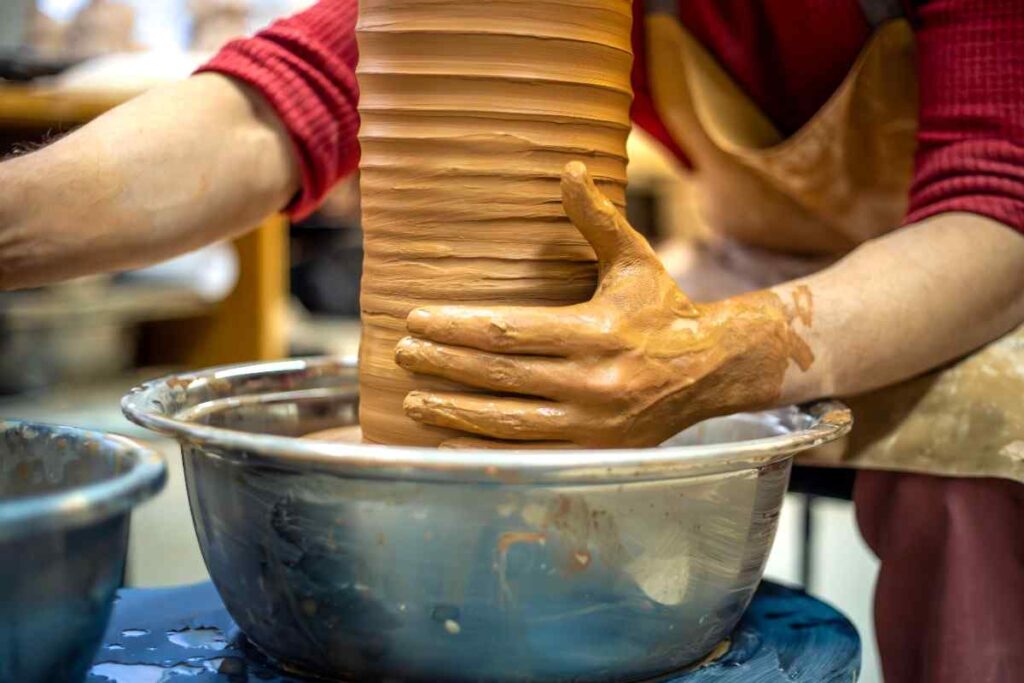
Ceramics handbuilding is one of the oldest and most creative forms of pottery. Before pottery wheels existed, artists used their hands and simple tools to shape clay into bowls, mugs, sculptures, and decorative pieces. Today, pottery handbuilding continues to grow in popularity because it allows beginners and experienced artists to create beautiful handmade pottery without needing a wheel.
If you are interested in learning pottery handbuilding, understanding handbuilding pottery tools, or exploring different pottery handbuilding techniques, this guide from Art Wheel will help you get started in a simple and beginner-friendly way.
What Is Handbuilding in Ceramics?
One of the most common beginner questions is: “What is handbuilding in ceramics?”
Handbuilding is a pottery-making method where clay is shaped by hand instead of using a pottery wheel. Artists use their fingers, palms, and simple pottery tools to create ceramic pieces in almost any form or shape.
Handbuilding is popular because it allows complete creative freedom. Unlike wheel throwing, which mainly creates round objects, handbuilding lets artists make:
- Bowls
- Cups
- Plates
- Sculptures
- Decorative art
- Plant pots
- Wall hangings
- Jewelry dishes
- Handmade gifts
At Art Wheel, handbuilding pottery classes are designed to help beginners learn clay techniques step by step in a relaxed and creative environment.
Why Pottery Handbuilding Is Perfect for Beginners
Many people start with pottery handbuilding before learning the pottery wheel because it is easier to understand basic clay behavior through hands-on shaping.
Benefits of handbuilding clay include:
Easy to Learn
Beginners can start creating pottery immediately without needing advanced equipment.
Affordable
Handbuilding requires fewer tools compared to wheel throwing.
Creative Freedom
Artists can create both functional pottery and artistic sculptures.
Relaxing Experience
Working with clay by hand feels calming and therapeutic.
Great for All Ages
Kids, adults, and seniors can all enjoy handbuilding pottery.
Handbuilding also helps improve focus, patience, and creativity while reducing stress.
The History of Ceramics Handbuilding
Ceramics handbuilding has existed for thousands of years. Ancient civilizations used handbuilding techniques to create pottery for cooking, storage, ceremonies, and decoration.
Before pottery wheels were invented, every clay pot was made by hand using simple methods. Even today, many professional ceramic artists continue using traditional handbuilding techniques because they appreciate the organic and artistic appearance of handmade pottery.
Modern pottery studios like Art Wheel combine traditional ceramic methods with contemporary creative instruction for beginners and hobbyists.
What Are the Three Hand-Building Techniques in Ceramics?
A very common beginner question is: “What are the three hand-building techniques in ceramics?”
The three main pottery handbuilding techniques are:
- Pinch Pot Technique
- Coil Building Technique
- Slab Building Technique
Each technique offers different creative possibilities and helps beginners understand how clay behaves.
1. Pinch Pot Technique
The pinch pot method is one of the easiest ways to begin handbuilding clay.
How It Works
Artists start with a ball of clay and use their fingers to pinch and shape it into a bowl or small container.
Why Beginners Love It
- Simple and fun
- Requires very few tools
- Great for learning clay control
- Ideal for kids and first-time students
Pinch pots can be transformed into:
- Bowls
- Candle holders
- Mini planters
- Decorative pieces
- Small cups
At Art Wheel, many beginner pottery classes start with pinch pot projects because they help students gain confidence quickly.
2. Coil Building Technique
Coil pottery uses long rolled pieces of clay stacked on top of each other to build forms.
How Coil Building Works
Artists roll clay into snake-like coils and layer them to create height and structure.
Common Coil Pottery Projects
- Vases
- Large bowls
- Sculptures
- Decorative jars
Benefits of Coil Pottery
- Excellent for larger projects
- Allows creative textures
- Easy to shape organically
- Great for artistic experimentation
Coil building is one of the oldest pottery methods still used today.
3. Slab Building Technique
Slab building uses flat sheets of clay to construct pottery pieces.
How Slab Pottery Works
Clay is rolled into flat slabs using rolling pins or slab rollers. The slabs are then cut and joined together.
Popular Slab Pottery Projects
- Plates
- Mugs
- Boxes
- Wall art
- Trays
Why Slab Building Is Popular
- Easy to create geometric shapes
- Great for modern pottery styles
- Excellent for decorative work
Slab building gives artists more structure and precision than other handbuilding methods.
What Is Hand-Pressed Pottery?
Another common question is: “What is hand-pressed pottery?”
Hand-pressed pottery refers to pottery created by pressing clay into molds, textures, or shapes using hands or tools. Unlike wheel-thrown pottery, hand-pressed ceramics often have more natural textures and artistic details.
Artists use hand-pressing techniques to create:
- Decorative plates
- Texture designs
- Leaf impressions
- Ceramic ornaments
- Artistic wall pieces
Hand-pressed pottery is popular because every piece feels unique and handmade.
At Art Wheel, students can experiment with textures and creative surface designs to personalize their ceramic work.
Essential Handbuilding Pottery Tools
Beginners often wonder which handbuilding pottery tools they actually need. The good news is that handbuilding does not require expensive equipment.
Here are some common pottery handbuilding tools:
Rolling Pin
Used for flattening clay into slabs.
Clay Knife
Helps cut and shape clay pieces.
Wooden Modeling Tools
Useful for smoothing and carving details.
Sponge
Keeps clay surfaces moist and smooth.
Needle Tool
Used for cutting, scoring, and detail work.
Rib Tools
Help shape and smooth pottery surfaces.
Texture Tools
Add patterns and decorative designs to clay.
Most beginner handbuilding projects can be completed with just a few basic tools and some creativity.
How to Do Hand-Building Pottery
Many beginners ask: “How to do hand-building pottery?”
The process is easier than most people think.
Step 1: Prepare Your Clay
Start by kneading the clay to remove air bubbles and improve consistency. This process is called wedging.
Step 2: Choose a Technique
Decide whether you want to use:
- Pinch pots
- Coil building
- Slab construction
Beginners usually start with pinch pots because they are simple and fun.
Step 3: Shape Your Pottery
Use your hands and pottery tools to shape the clay into your desired form.
Step 4: Add Details
Decorate your pottery with textures, carving, or patterns before the clay dries.
Step 5: Let the Clay Dry
Pottery must dry slowly before firing to avoid cracking.
Step 6: Fire the Pottery
The clay is placed in a kiln where high heat hardens it into ceramic.
Step 7: Glaze and Finish
After firing, glaze can be added for color, texture, and waterproofing.
At Art Wheel, beginners receive step-by-step guidance throughout the entire handbuilding process.
Why Handbuilding Clay Is Therapeutic
Many people discover pottery while searching for relaxing hobbies or stress relief activities.
Working with handbuilding clay offers several mental and emotional benefits:
- Encourages mindfulness
- Reduces stress
- Improves concentration
- Boosts creativity
- Provides a calming sensory experience
Pottery classes also create opportunities for social interaction and creative expression.
Handbuilding vs. Pottery Wheel
Beginners often ask whether they should start with handbuilding or wheel throwing.
Handbuilding Benefits
- Easier for beginners
- More creative freedom
- Lower equipment cost
- Great for artistic sculptures
Pottery Wheel Benefits
- Faster production
- Symmetrical pottery
- Traditional ceramic techniques
Many artists eventually enjoy both methods because each offers different creative experiences.
Handbuilding Pottery for Kids
Handbuilding pottery is especially popular for children because it is safe, fun, and highly creative.
Kids learn:
- Fine motor skills
- Patience
- Artistic confidence
- Creative thinking
Simple handbuilding projects help children explore art while enjoying a hands-on learning experience.
At Art Wheel, beginner pottery classes are designed to make learning enjoyable for students of all ages.
Why Choose Art Wheel for Pottery Handbuilding?
Art Wheel provides beginner-friendly pottery classes in a creative and welcoming environment.
Students choose Art Wheel because of:
- Friendly instructors
- Relaxing atmosphere
- Hands-on learning
- Creative freedom
- Family-friendly classes
- Beginner-focused instruction
Whether you want to create functional pottery, artistic sculptures, or simply relax with clay, Art Wheel offers a supportive space to explore ceramics handbuilding.