
Are you looking for ceramic classes for adults in San Diego to explore your creativity, learn a new skill, or enjoy a relaxing activity? Ceramic art is a wonderful way to work with clay, create handmade objects, and develop artistic skills. Whether you are a complete beginner or have some experience, adult ceramic classes offer an enjoyable learning environment for everyone.
San Diego has several opportunities for adults who want to explore pottery, handbuilding, wheel throwing, and ceramic decoration. From beginner-friendly workshops to multi-week courses, you can find a class that matches your interests, schedule, and experience level.
At Art Wheel Studio, adults can explore the creative world of pottery and ceramics through hands-on learning. You can discover different techniques, experiment with clay, and create unique pieces while enjoying a welcoming artistic environment.
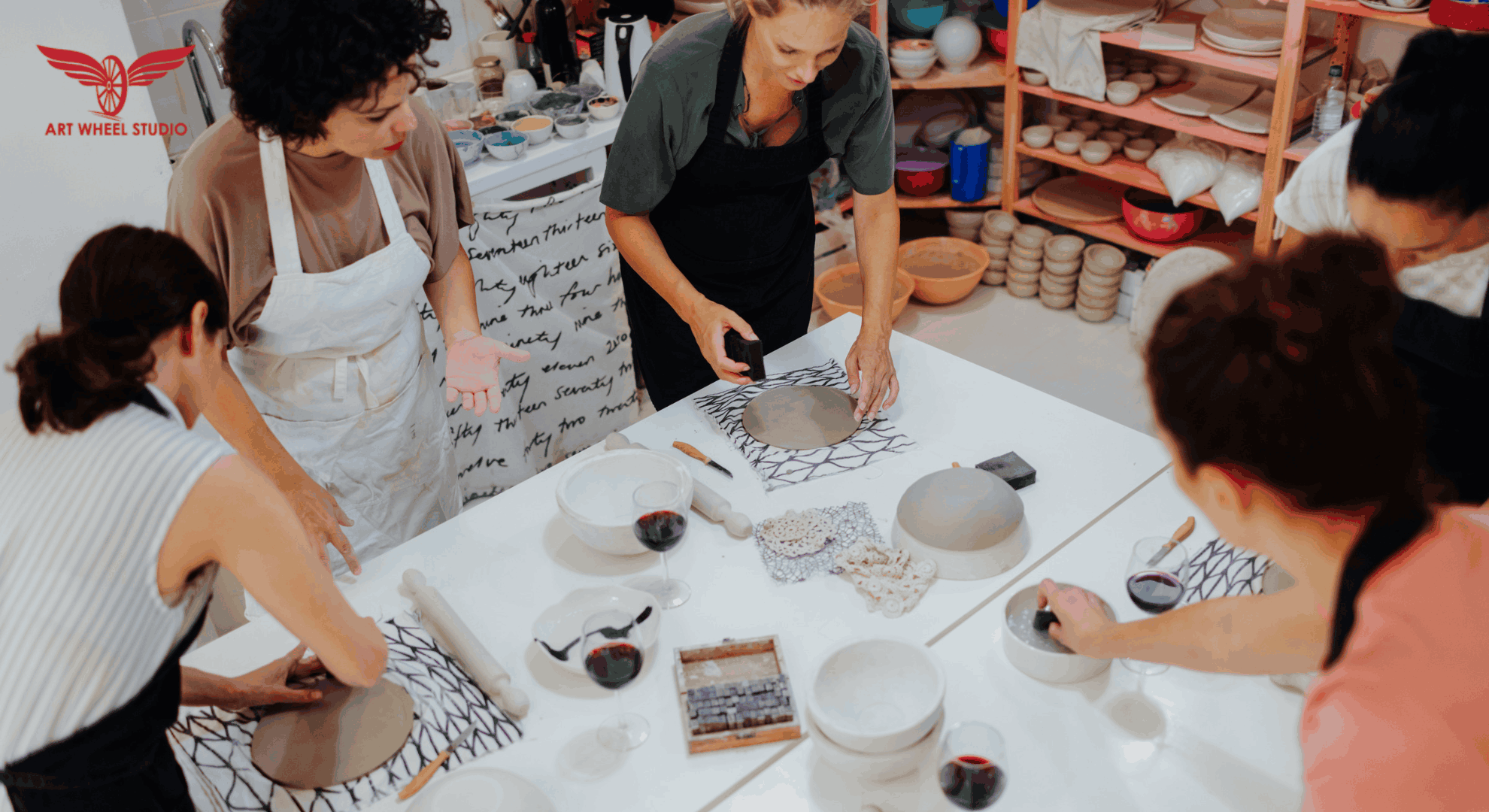
What Are Ceramic Classes for Adults?
Ceramic classes for adults teach students how to transform clay into functional and decorative objects. These classes cover different techniques, including handbuilding, wheel throwing, shaping, glazing, and surface decoration.
You do not need previous artistic experience to get started. Many beginner classes introduce each technique step by step, making it easier to understand how clay works.
Depending on the class, you may learn how to create:
- Handmade bowls, plates, and cups
- Decorative ceramic sculptures
- Clay vases and planters
- Handmade mugs and kitchen items
- Decorative pottery for your home
- Personalized ceramic gifts
Ceramic classes also provide an opportunity to meet other creative people. You can learn at your own pace, experiment with new ideas, and enjoy the process of making something with your hands.
Why Take Ceramic Classes in San Diego?
San Diego offers a welcoming environment for creative activities. If you want to try something different from your usual routine, learning ceramics can be a rewarding experience.
Here are some reasons adults enjoy taking ceramic classes.
1. Explore Your Creativity
Working with clay gives you the freedom to experiment with different shapes, textures, and designs. You can turn simple ideas into beautiful handmade objects.
Unlike activities that require a perfect result, ceramics encourages experimentation. Every piece can be different, which makes the learning process interesting.
2. Learn a Practical Skill
Ceramics is both an artistic and practical skill. You can learn how to make useful household items, decorative pieces, and personalized gifts.
As you practice, you will understand how to shape clay, control thickness, apply glazes, and finish your creations.
3. Enjoy a Relaxing Activity
Working with clay requires attention and patience. The process encourages you to focus on the material instead of everyday distractions.
Many adults enjoy pottery because it provides a hands-on creative break from work and daily responsibilities.
4. Meet Like-Minded People
Group ceramic classes allow you to connect with people who share similar interests. You can exchange ideas, learn from others, and enjoy a friendly creative environment.
5. Create Something Personal
One of the best parts of ceramics is taking home something you made yourself. A handmade mug, bowl, or decorative object can have more personal meaning than a store-bought item.
Types of Ceramic Classes for Adults in San Diego
Before choosing a class, it helps to understand the different types of ceramic activities available.
Each technique offers a different experience. Some focus on shaping clay by hand, while others use specialized equipment.
1. Pottery Wheel Classes
Wheel throwing is one of the most popular pottery techniques. It involves placing clay on a rotating pottery wheel and shaping it with your hands.
During a beginner wheel throwing class, you may learn:
- How to prepare and wedge clay
- How to center clay on the wheel
- How to open the clay
- How to pull and shape the walls
- How to create bowls, cups, and simple vessels
- How to trim and finish your pottery
Wheel throwing requires practice. Your first few pieces may not look exactly as you imagined, but regular practice helps you improve your control and technique.
2. Handbuilding Classes
Handbuilding is a ceramic technique that allows you to create pottery without a wheel.
It is a great choice for adults who enjoy working directly with their hands. You can use simple tools and different clay-building methods to create unique forms.
Common handbuilding techniques include:
Pinching: You shape clay by pressing and pinching it with your fingers. This method is useful for creating small bowls, cups, and decorative objects.
Coiling: You roll clay into long pieces and build forms by stacking and joining them. This technique works well for creating larger vessels and sculptures.
Slab Building: You flatten clay into sheets and connect the pieces to create boxes, plates, trays, and other structured objects.
Handbuilding is beginner-friendly because you can start with simple projects and gradually develop more advanced techniques.
3. Ceramic Glazing Classes
Glazing is an important part of the ceramic process. It adds color, texture, and a finished surface to pottery.
In a glazing class, you may learn how to:
- Prepare ceramic surfaces
- Select suitable glazes
- Apply glaze using brushes or dipping methods
- Experiment with different colors
- Understand how firing affects glaze results
Glazing gives each ceramic piece its final appearance. Small changes in application and firing can create different results.
4. Ceramic Sculpting Classes
Ceramic sculpting focuses on creating artistic forms using clay. You can make decorative figures, abstract designs, animals, and other creative objects.
These classes are suitable for adults who enjoy three-dimensional art and want to explore clay beyond traditional pottery.
Beginner Ceramic Classes for Adults in San Diego
Are you new to ceramics? You do not need to worry about having artistic skills or previous experience.
Beginner ceramic classes are designed to introduce the basic techniques in a simple and supportive way.
A typical beginner course may cover:
Understanding Clay: Learn about different clay types, their properties, and how to prepare them for making pottery.
Basic Handbuilding: Practice pinching, coiling, and slab construction to create simple objects.
Wheel Throwing: Understand how to use a pottery wheel and shape clay into basic forms.
Drying and Firing: Learn why pottery needs to dry before it can be fired in a kiln.
Glazing and Finishing: Discover how to add color and finish your handmade pieces.
A beginner course may last a few hours or several weeks. Short workshops are useful for trying ceramics, while longer courses provide more time to develop your skills.
If you are completely new, start with a beginner-friendly session. You can explore different techniques before deciding which one you enjoy most.
Are There Free Ceramic Classes for Adults in San Diego?
Many people search for free ceramic classes for adults in San Diego because they want to explore pottery without making a large financial commitment.
Although most structured ceramic courses charge a fee, there may be free or low-cost opportunities through community programs, nonprofit organizations, public recreation centers, and special events.
Here are some options worth exploring:
Community Art Programs
Some community centers organize creative activities for local residents. Depending on the program, you may find pottery demonstrations, ceramic workshops, or supervised art sessions.
Availability can depend on the location, age requirements, and registration periods.
Nonprofit Art Organizations
Some nonprofit art studios work to make creative activities more accessible. They may provide affordable classes, community programs, or occasional free studio opportunities.
Open Studio Programs
Certain studios offer open studio sessions where experienced participants can work on their own projects. Some programs may provide free access during specific events or community sessions.
However, open studio access is not always the same as receiving professional instruction.
Free Community Workshops
Look for local art events, cultural programs, and community workshops in San Diego. These activities may offer opportunities to try basic ceramic techniques without paying for a full course.
Important: Free classes may have limited spaces, specific eligibility requirements, or additional material costs. Always check what is included before registering.
How Much Should a Pottery Class Cost?
The cost of a pottery class depends on the studio, course length, instructor experience, equipment, and materials included.
In San Diego, a one-time introductory pottery experience may cost around $35 to $80 per person. Multi-week courses can cost several hundred dollars, depending on the number of sessions and included services.
For example, some local studios advertise introductory workshops around $40, while longer beginner courses may cost more than $300.
Before choosing a class, understand what your registration fee covers.
| Class Type | Typical Cost |
| Introductory pottery workshop | $35–$80 |
| One-time beginner experience | $40–$100 |
| Multi-week beginner course | $150–$350+ |
| Studio membership | Varies by studio |
These are general examples, not fixed prices. Actual fees vary by studio and may change over time.
What Is Usually Included in the Class Fee?
A pottery class may include:
- Clay and basic materials
- Use of pottery wheels and tools
- Instructor guidance
- Glazing materials
- Kiln firing
- Studio equipment access
Some studios charge separately for firing, additional clay, or finished pieces.
Always check the complete fee structure before booking.
What Is the Difference Between a Pottery Class and a Ceramics Class?
Pottery and ceramics are closely related, but they do not always mean exactly the same thing.
Pottery classes generally focus on making functional objects from clay. Students often learn wheel throwing, handbuilding, and creating items such as mugs, bowls, plates, and vases.
Ceramics classes cover a broader range of clay-based art. They may include pottery, sculpting, glazing, decorative techniques, and different approaches to shaping and finishing clay.
Here is a simple comparison:
| Pottery Classes | Ceramics Classes |
| Focus on making pottery | Cover a wider range of clay art |
| Often include wheel throwing | May include sculpting and handbuilding |
| Create functional objects | Create functional and decorative objects |
| Teach pottery shaping techniques | Include shaping, glazing, and surface design |
Both are excellent choices for adults who want to explore clay art.
If you want to learn how to make everyday objects, pottery may be a good starting point. If you want to explore different artistic techniques, a broader ceramics class may be more suitable.
Does UCSD Have a Ceramic Class?
Yes. The University of California San Diego (UCSD) offers ceramics programs through its Craft Center.
The UCSD Craft Center provides opportunities for students and community participants to explore different creative activities, including ceramics.
Its ceramics studio offers instruction in areas such as:
- Handbuilding
- Wheel throwing
- Glazing
- Clay preparation
- Ceramic techniques and studio practices
The Craft Center also offers different classes and workshops throughout the year.
In addition to instructional classes, UCSD provides open studio membership opportunities for eligible participants. Independent studio access requires the appropriate orientation or instructor approval.
However, open studio access is different from a beginner class because participants are expected to have the skills needed to work independently.
Class schedules, registration requirements, and fees may change. Check the current UCSD Craft Center program information before planning your visit.
Why Are Ceramic Classes So Expensive?
You may wonder why ceramic classes cost more than some other creative workshops.
The main reason is that ceramics requires specialized equipment, materials, space, and additional work beyond the actual teaching session.
Here are some factors that influence the cost.
1. Specialized Equipment
Ceramic studios need pottery wheels, worktables, clay preparation tools, storage shelves, and kilns.
This equipment requires regular maintenance and can be expensive to purchase and operate.
2. Clay and Other Materials
Students use clay, glazes, and other materials during their sessions.
These supplies are necessary for creating and finishing ceramic pieces. Some classes include materials in the registration fee, while others charge separately.
3. Kiln Firing
Firing is an essential part of ceramic production. Pottery needs to go through one or more kiln firing stages to become durable and properly finished.
Kilns require energy, maintenance, and careful temperature control. Firing also takes time beyond the class itself.
4. Professional Instruction
Learning ceramics requires practical guidance. Instructors demonstrate techniques, correct mistakes, explain the process, and help students improve.
Small-group instruction may also require more individual attention.
5. Studio Space and Maintenance
A ceramic studio needs a clean, organized, and safe working environment.
Regular cleaning, equipment maintenance, storage, and ventilation all contribute to operating costs.
6. Additional Work After Class
The creative process does not end when a class finishes. Ceramic pieces often need drying, trimming, firing, glazing, and another firing.
Studio staff may handle several of these steps after students leave.
These factors explain why ceramic classes can cost more than a basic painting or drawing workshop.
How to Choose the Best Ceramic Classes for Adults in San Diego
Choosing the right class can make your learning experience more enjoyable.
Before registering, consider the following factors.
Check the Instructor’s Experience
Look for instructors who understand ceramic techniques and can explain them clearly.
A good teacher should be able to demonstrate each step and provide useful feedback.
Choose a Beginner-Friendly Program
If you have never worked with clay, select a class that welcomes beginners.
The course should cover basic techniques and provide enough time for practice.
Understand the Class Size
Smaller classes can provide more opportunities for individual instruction.
This can be especially helpful when learning wheel throwing or other techniques that require hand coordination.
Review Materials and Equipment
Find out whether clay, tools, glazes, and firing services are included.
You should also check whether the studio provides the equipment needed for your chosen technique.
Consider Your Schedule
Some ceramic classes take place on weekdays, while others are available on weekends.
Choose a schedule that gives you enough time to attend regularly and practice.
Explore Different Techniques
If you are unsure what you enjoy, consider trying a short handbuilding or wheel throwing workshop first.
This helps you understand the creative process before committing to a longer course.
What Should You Bring to Your First Ceramic Class?
Most beginner ceramic studios provide the basic materials and equipment. However, bringing a few personal items can make your first experience more comfortable.
Consider bringing:
- Comfortable clothes that can get dirty
- An apron or clothes you do not mind staining
- A small towel
- Closed-toe shoes
- A water bottle
- A notebook for recording techniques
Avoid wearing loose jewelry or clothing that could interfere with pottery equipment.
You do not need to purchase expensive pottery tools before your first class. Start with the supplies provided by the studio and learn what you need as you progress.
What Can You Expect During Your First Ceramic Class?
Your first ceramic class is usually about understanding the material and learning basic techniques.
The instructor may begin with a short introduction to clay and demonstrate how to prepare it for shaping.
You will then get an opportunity to work with clay yourself.
Depending on the class, you may try making a small bowl, cup, plate, or decorative object.
Do not expect every piece to look perfect. Clay can be challenging when you first start working with it.
You may need several attempts to understand how much pressure to apply and how to control the shape.
Once your piece is complete, it may need time to dry before trimming, glazing, and firing.
Some studios allow students to collect their finished work after the firing process is complete.
Start Your Creative Journey at Art Wheel Studio
If you are searching for ceramic classes for adults in San Diego, Art Wheel Studio offers an opportunity to explore your creative side through pottery and ceramic art.
Whether you want to try pottery for the first time or develop your existing skills, learning with clay can be an enjoyable and rewarding experience.
You can explore different creative approaches, practice shaping techniques, and discover how to turn simple clay into something unique.
Art Wheel Studio welcomes people interested in learning and enjoying the creative process. You do not need to be a professional artist to get started. A willingness to experiment and practice is a great first step.
From beginner-friendly pottery experiences to exploring different ceramic techniques, make time for creativity and discover what you can create with your own hands.
Frequently Asked Questions About Ceramic Classes for Adults in San Diego
1. Can adults take ceramic classes without experience?
Yes. Many ceramic classes are designed for complete beginners. You can learn basic handbuilding, wheel throwing, clay preparation, and glazing techniques with instructor guidance.
2. Are ceramic classes suitable for adults of all ages?
Yes. Many adult ceramic programs welcome people with different experience levels and artistic backgrounds. However, individual studios may have minimum age requirements.
3. Are there free ceramic classes for adults in San Diego?
Some community organizations and nonprofit studios offer free or low-cost ceramic activities. However, availability, registration requirements, and material fees vary.
4. How long does it take to learn ceramics?
You can learn basic techniques in a single introductory workshop. However, developing consistent wheel throwing, handbuilding, and glazing skills requires regular practice over several weeks or months.
5. Is pottery difficult for beginners?
Pottery can be challenging at first, especially wheel throwing. However, beginner classes break the process into simple steps. With patience and practice, you can gradually improve your skills.
6. Do ceramic classes provide all the materials?
Many studios provide clay, tools, and basic equipment. Some also include glazing and firing. However, additional materials or finished pieces may involve extra fees.
7. What is better for beginners: handbuilding or wheel throwing?
Both are good options. Handbuilding is often easier to try initially because it does not require a pottery wheel. Wheel throwing is a great choice if you want to learn how to create symmetrical bowls, cups, and vases.
8. Can I take ceramic classes as a weekend hobby?
Yes. Many studios offer weekend workshops and short courses. These are useful if you have a busy weekday schedule and want to explore ceramics as a hobby.
9. Can I take home the pottery I make during class?
Many studios allow students to collect their finished pieces after they have dried, been glazed, and fired. However, the studio’s policies and firing arrangements determine when your work is ready.
10. Are ceramic classes worth the money?
Yes, if you enjoy creative activities and want to develop a practical artistic skill. Classes provide access to specialized equipment, materials, professional instruction, and the opportunity to create handmade objects.
Final Thoughts
Ceramic classes for adults in San Diego provide a great opportunity to learn something new, explore creativity, and enjoy working with clay. Whether you choose pottery wheel throwing, handbuilding, sculpting, or glazing, each technique offers a different way to express your ideas.
Start with a beginner-friendly class, learn the basic techniques, and give yourself time to practice. You do not need previous experience to create something meaningful.
Explore your creative potential with Art Wheel Studio and discover the enjoyment of making your own ceramic art.