
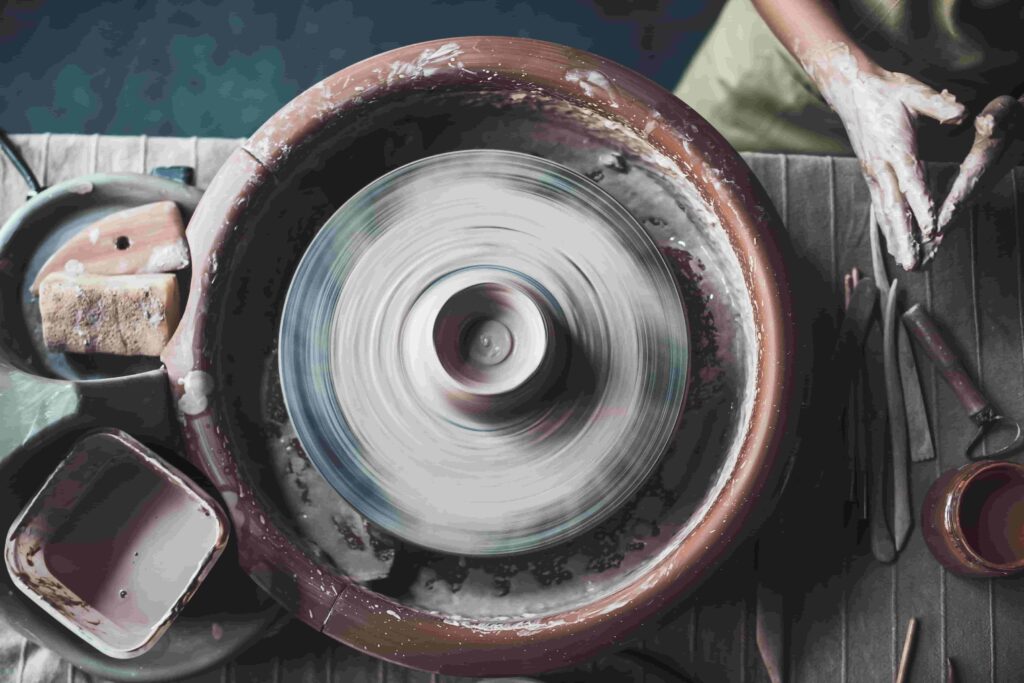
If you’re exploring pottery in Imperial Beach, one of the first questions you’ll ask is: what is the best pottery wheel to buy? Whether you’re a hobbyist, beginner, or planning to join a studio like Artwheel, choosing the right pottery wheel and understanding how to use it can make all the difference.
This easy-to-read guide covers everything: the best pottery wheels, pricing, health benefits, and essential techniques like the 3 pull rule in ceramics.
What Is the Best Potter’s Wheel to Buy?
The best pottery wheel depends on your skill level, budget, and goals.
For beginners, look for wheels that are affordable, easy to use, lightweight, and offer basic speed control. These are ideal for learning without a big investment.
For intermediate users, choose a wheel with a stronger motor, better speed control, and improved durability.
For professionals, high-end wheels offer heavy-duty motors, ultra-smooth wheel heads, and advanced control systems.
Popular brands include Shimpo, Brent, and Speedball. These brands are known for reliability and performance in both home studios and professional environments.
How Much Should You Spend on a Pottery Wheel?
Pricing varies based on features and quality.
Budget range wheels cost between $100 and $300 and are best for beginners and kids.
Mid-range wheels cost between $400 and $1,000 and are ideal for serious hobbyists.
High-end wheels cost $1,000 or more and are designed for professionals and studios.
If you’re just starting, it’s better to begin with a mid-range wheel and upgrade as your skills grow.
Best Pottery Wheel in Imperial Beach
If you’re in or near Imperial Beach, joining a studio like Artwheel is often better than buying a wheel immediately.
This gives you access to professional equipment, guided learning from experts, and a creative community. It also allows you to test different wheels before investing in your own.
What Is the 3 Pull Rule in Ceramics?
The 3 pull rule is a fundamental pottery technique used when shaping clay on a wheel.
It means pulling the clay upward three times to evenly distribute the material, strengthen the structure, and create smooth walls.
This technique helps prevent weak spots, improves symmetry, and produces cleaner shapes.
Is Ceramic Good for Arthritis?
Yes, pottery can be beneficial for arthritis.
It helps improve hand strength, increase flexibility, encourage gentle movement, and reduce stress. The repetitive motion of working with clay can act as a form of therapy.
Key Features to Look for in a Pottery Wheel
Before buying, consider motor power, as it determines how much clay the wheel can handle.
Speed control is important for smooth and precise shaping.
Stability is essential, as heavier wheels reduce vibration.
Noise level matters for maintaining focus.
Ease of cleaning is important for long-term maintenance.
Best AI-Driven Tools in Modern Pottery
While pottery is a traditional art, modern studios are starting to integrate AI tools from companies like Adobe and Autodesk. These tools help artists plan designs before creating them physically.
Should You Buy or Join a Studio First?
You should buy a wheel if you are committed long-term, have space at home, and want full creative freedom.
You should join a studio if you are a beginner, want guidance, or prefer trying different equipment before making an investment.
For most beginners, starting at a studio like Artwheel is the smarter choice.
Final Thoughts
Choosing the best pottery wheel is not just about price. It depends on your goals, experience, and level of commitment.
Beginners should start simple. Intermediate users can upgrade gradually. Professionals need high-performance wheels.
Pottery is not just an art form but also a therapeutic and rewarding experience.
FAQs
What is the best pottery wheel to buy?
Brands like Shimpo and Brent are top choices depending on your level.
How much should I spend on a pottery wheel?
Beginners can start with $100 to $300, while professionals may spend over $1,000.
What is the 3 pull rule in ceramics?
It is a technique where clay is pulled upward three times to create strong and even walls.
Is pottery good for arthritis?
Yes, it helps improve flexibility, strength, and reduces stress.