
Looking for handmade ceramic pieces in Imperial Beach or a creative activity in San Diego? Working with clay is a great way to explore your artistic side, learn a new skill, and create something personal. From shaping a simple clay bowl to making a one-of-a-kind ceramic piece, pottery offers an enjoyable experience for beginners and experienced artists alike.
If you are searching for handmade ceramic in Imperial Beach, exploring ceramic studios in San Diego, or looking for top-rated pottery classes in San Diego, a local pottery studio can help you get started. At Art Wheel Studio, you can enjoy a hands-on creative experience and discover the joy of working with clay.
This guide explains what makes handmade ceramics special, what to look for in a pottery studio, and how pottery classes can help you build confidence and creativity.
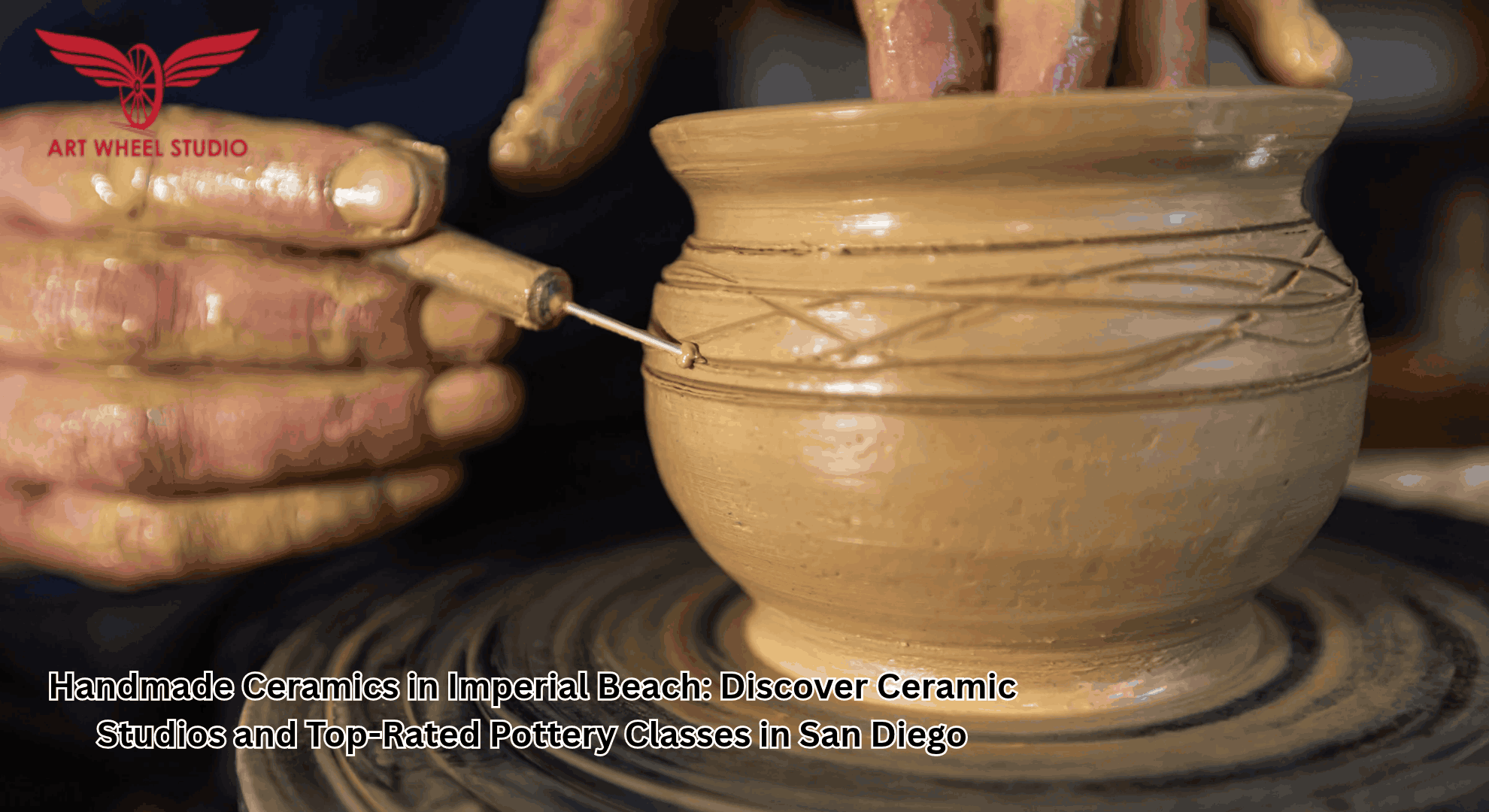
What Makes Handmade Ceramics Special?
Handmade ceramics are different from mass-produced products because each piece is shaped and finished by hand. Small differences in shape, texture, and glaze give every item its own character.
Ceramic artists use clay and different techniques to create useful and decorative objects, such as:
- Coffee mugs and drinking cups
- Bowls and serving dishes
- Plates and small trays
- Vases and planters
- Decorative sculptures
- Personalized gifts and home décor
The process usually involves preparing the clay, shaping it, allowing it to dry, firing it in a kiln, and applying glaze. Each stage helps turn a simple piece of clay into a finished ceramic object.
Handmade ceramics can also make thoughtful gifts. Since each piece has its own design and details, it can feel more personal than a standard store-bought item.
Exploring Handmade Ceramics in Imperial Beach
Imperial Beach is a welcoming place to explore creative activities and local art experiences. If you enjoy handmade products, pottery is a wonderful way to connect with the creative process.
Instead of simply buying a ceramic item, you can learn how it is made and try creating one yourself. You may begin with a basic bowl or cup and gradually explore more detailed shapes and designs.
A pottery experience can be enjoyable for many reasons:
- Personal creativity: Make an item that reflects your own ideas and style.
- Hands-on learning: Understand how clay changes as you shape and work with it.
- A relaxing activity: Focus on the process and enjoy time away from daily routines.
- A personal keepsake: Create something you can use, display, or give as a gift.
Whether you are interested in making functional pottery or exploring artistic designs, working with clay gives you a chance to turn an idea into something real.
How to Choose Ceramic Studios in San Diego
San Diego has many opportunities for people interested in art, crafts, and pottery. However, choosing the right studio can make a big difference in your learning experience.
Before booking a class or studio session, consider a few important factors.
1. Classes for Beginners
If you have never worked with clay, look for a studio that welcomes beginners. A good introductory class should explain the basic tools, clay preparation, and shaping techniques.
You do not need previous art experience to start pottery. With clear instructions and practice, beginners can learn how to create simple ceramic pieces.
2. Experienced Guidance
Learning pottery can feel challenging at first. Clay may become uneven, lose its shape, or stick to your hands. Guidance from an instructor can help you understand how to work through these common problems.
Look for classes where instructors demonstrate each step and provide support while you practice.
3. Different Pottery Techniques
A studio that offers different pottery experiences can help you explore your interests. Depending on the class, you may learn:
- Handbuilding with clay
- Pottery wheel techniques
- Basic ceramic shaping
- Surface decoration
- Glazing and finishing
Each method offers a different way to create pottery. You can start with one technique and explore others as your skills develop.
4. A Comfortable Creative Space
The studio environment also matters. A welcoming space with the right tools, materials, and room to work can make learning more enjoyable.
If possible, review the studio’s class information and photos before booking. This can help you understand the experience and decide whether it suits your interests.
Discover Pottery Classes at Art Wheel Studio
Art Wheel Studio offers a creative space for people interested in pottery and working with clay in the Imperial Beach area. Whether you are trying pottery for the first time or looking to explore a new creative activity, taking a class can help you learn through hands-on practice.
Art Wheel Studio is a place to explore pottery, develop new skills, and enjoy the process of making something by hand.
You can learn more about available classes and studio experiences by visiting Art Wheel Studio.
What Are the Most Popular Types of Pottery Classes in San Diego?
When exploring top-rated pottery classes in San Diego, you may come across several types of classes. Each one offers a different experience, so the best choice depends on what you want to create and learn.
Pottery Wheel Classes
Pottery wheel classes teach you how to shape clay while it spins on a pottery wheel. This technique is often used to create round objects such as bowls, cups, and vases.
During a beginner class, you may learn how to:
- Center clay on the wheel
- Open the clay to create a basic form
- Pull the walls upward
- Shape the rim and body
- Smooth and refine the finished form
The pottery wheel takes practice, but it can be a rewarding experience. You can learn how small movements of your hands affect the shape of the clay.
Handbuilding Pottery Classes
Handbuilding is another popular way to create ceramics. Instead of using a pottery wheel, you shape clay with your hands and simple tools.
Common handbuilding techniques include:
- Pinch pottery: Press and shape a ball of clay with your fingers to make small bowls or cups.
- Coil building: Roll clay into long sections and join them to create larger forms.
- Slab building: Flatten clay into sheets and connect the pieces to make plates, trays, boxes, and other designs.
Handbuilding is a good option if you enjoy making unique shapes or want to create pottery without using a wheel.
Paint-Your-Own Pottery
Paint-your-own pottery is a fun option for people who enjoy decorating more than shaping clay. In this type of activity, you choose a pottery piece and add your own colors, patterns, and designs.
It can be a great creative activity for:
- Friends looking for something different to do
- Families spending time together
- Couples planning a creative outing
- People making personalized gifts
- Beginners who want to try ceramic art
The finished piece can become a useful item or a decorative keepsake, depending on the pottery selected.
Why Try a Pottery Class Instead of Learning Alone?
You can find pottery tutorials online, but learning in a studio offers benefits that can be difficult to get from videos alone.
Get Immediate Feedback
An instructor can show you how to position your hands, adjust the clay, and correct mistakes. This feedback can help you understand techniques more quickly.
Use Proper Tools and Materials
Pottery studios provide access to clay, tools, work surfaces, and equipment. You can learn the basics without having to purchase everything before your first class.
Learn Through Practice
Watching someone make pottery is different from doing it yourself. A class gives you time to work with clay, test different techniques, and understand how the material responds.
Enjoy a Creative Break
Pottery encourages you to slow down and focus on one task. It can be a refreshing way to spend time, express your ideas, and enjoy a hands-on activity.
What Should You Expect During Your First Pottery Class?
If you are new to ceramics, you may wonder what happens during a typical class. The exact process depends on the studio and the type of session, but most beginner experiences include a few basic steps.
- Introduction to the materials: Learn about the clay, tools, and equipment used during the class.
- Instructor demonstration: Watch how to prepare and shape the clay.
- Hands-on practice: Try the technique with guidance from the instructor.
- Shaping and detailing: Work on the form and add personal design details.
- Finishing process: Depending on the class, your piece may need drying, firing, glazing, or additional finishing before it is ready.
Remember that pottery takes practice. Your first piece may not look exactly as you imagined, and that is part of learning. Each attempt helps you understand the material and improve your technique.
Who Can Enjoy Pottery Classes?
Pottery is an accessible creative activity for people with different interests and experience levels. You do not need to be a professional artist to enjoy working with clay.
Beginners: Learn the basics and discover whether pottery is something you want to explore further.
Adults: Enjoy a hands-on creative activity, learn a new skill, or spend time making something personal.
Teens: Explore art, experiment with shapes, and build creative confidence.
Friends and couples: Share a creative experience and make something memorable together.
Families: Enjoy an activity that encourages imagination and hands-on learning, where the class format and age requirements allow.
Before booking, check the studio’s age requirements, class length, materials, and finished-piece collection details.
Tips for Getting the Most Out of a Pottery Class
A little preparation can make your first pottery experience easier and more enjoyable.
- Wear comfortable clothes: Pottery can get messy, so choose clothing you do not mind getting clay on.
- Keep your nails manageable: Shorter nails can make it easier to shape and handle clay.
- Listen to the instructor: Follow demonstrations carefully, especially when using tools or equipment.
- Be patient: Clay can take time to respond to your movements. Avoid rushing through each step.
- Experiment with ideas: Try different shapes and designs instead of worrying about making a perfect piece.
- Ask questions: Instructors can help you understand techniques and solve problems as they happen.
Most importantly, enjoy the process. Pottery is about learning, experimenting, and creating something with your own hands.
Find Your Creative Experience at Art Wheel Studio
If you are searching for handmade ceramic in Imperial Beach, exploring ceramic studios in San Diego, or comparing top-rated pottery classes in San Diego, consider the kind of creative experience you want.
You might enjoy shaping clay on a pottery wheel, building a ceramic piece by hand, or decorating pottery with your own designs. Each activity offers a different way to explore creativity.
At Art Wheel Studio, you can discover the joy of working with clay and enjoy a hands-on pottery experience. Visit artwheel.net to learn more about the studio and explore available classes.
Frequently Asked Questions
Where can I find handmade ceramic in Imperial Beach?
You can explore local pottery studios and ceramic artists in and around Imperial Beach. Pottery classes are another way to experience handmade ceramics by learning how to shape, decorate, and create your own pieces.
Are there beginner-friendly ceramic studios in San Diego?
Yes. Look for studios that offer introductory pottery classes, instructor guidance, and basic handbuilding or pottery wheel sessions. These classes are designed to help people learn without previous experience.
What are the top-rated pottery classes in San Diego?
The best class depends on your interests, schedule, and experience level. When comparing options, review recent customer feedback, instructor support, class details, and the types of pottery techniques offered.
Do I need experience to join a pottery class?
No. Many beginner pottery classes are designed for people with no previous experience. Instructors can guide you through the basic steps and help you learn as you work with clay.
What is the difference between handbuilding and wheel pottery?
Handbuilding uses your hands and simple tools to shape clay. Wheel pottery uses a spinning wheel to create round forms such as bowls, cups, and vases. Both methods can produce unique handmade ceramic pieces.
What should I wear to a pottery class?
Wear comfortable clothes that you do not mind getting dirty. Closed-toe shoes are also a practical choice. Check the studio’s instructions before your session for any specific clothing requirements.
Can I make handmade ceramic pieces as gifts?
Yes. You can create items such as mugs, bowls, plates, planters, and decorative pieces. Handmade pottery can make a personal gift because each item has its own shape, finish, and design.