

Have you ever wanted to create your own ceramic bowl, handmade mug, or unique piece of clay art? A pottery class is a great way to explore your creativity while learning a new skill. Whether you are a complete beginner or an adult looking for a relaxing activity, pottery offers a fun and rewarding experience.
At Art Wheel Studio, you can explore hands-on pottery experiences in Imperial Beach, California. From pottery wheel sessions to handbuilding workshops, there are opportunities to shape clay, experiment with different techniques, and create something personal. Art Wheel welcomes people who want to enjoy art, learn new skills, and spend time being creative.
If you are searching for a pottery class in Imperial Beach, beginner clay sculpting classes, or ceramics classes for beginners, this guide will help you understand what to expect. You will also learn about pottery techniques, class costs, what to wear, and how to prepare for your first session.
Why Take a Pottery Class in Imperial Beach?
Pottery is more than shaping a lump of clay. It is an opportunity to slow down, explore your imagination, and create something with your own hands. A guided class also gives you a chance to learn from an instructor and discover techniques that may be difficult to master alone.
Imperial Beach offers a relaxed coastal setting for creative activities. A pottery session can be a welcome break from your usual routine, whether you live nearby or are visiting the San Diego area.
Here are some reasons to try pottery:
- Explore your creativity: Turn simple clay into bowls, cups, sculptures, and decorative objects.
- Learn a practical skill: Understand how clay responds to pressure, water, and different shaping methods.
- Enjoy a mindful activity: Focus on the process instead of daily distractions.
- Make something personal: Create a handmade piece that reflects your style.
- Share an experience: Attend a class with a friend, partner, or family member.
Most importantly, you do not need previous experience to get started. Beginner-friendly pottery classes introduce the basics and help you build confidence at your own pace.
Ceramics Classes for Beginners: What Will You Learn?
If you have never worked with clay, joining ceramics classes for beginners is an excellent starting point. You can learn the basic techniques without needing advanced artistic skills.
At Art Wheel Studio, pottery experiences include wheel throwing and handbuilding. Each method offers a different way to work with clay.
1. Pottery Wheel Throwing
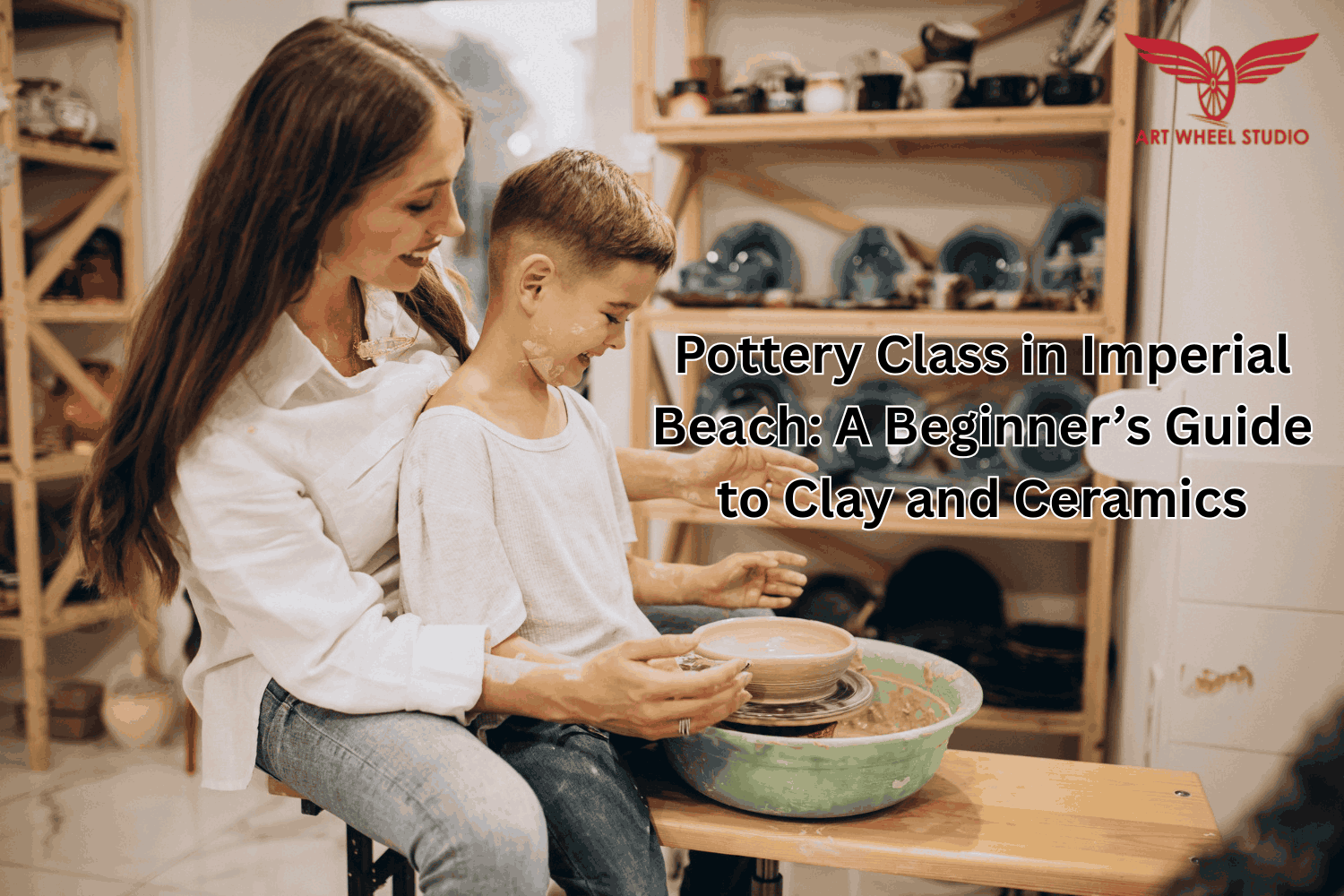
Wheel throwing is one of the most recognizable pottery techniques. You place clay on a rotating wheel and use your hands to shape it into a functional or decorative object.
During an introductory session, you may learn how to:
- Prepare clay for shaping.
- Position your hands correctly.
- Center the clay on the wheel.
- Open the center to create a basic form.
- Shape the walls of a bowl or cup.
- Control the clay as the wheel turns.
At first, the process may feel challenging. However, practice helps you understand how much pressure to apply and how to keep the clay balanced.
A beginner class gives you an opportunity to try these steps with guidance. You can focus on learning and enjoying the process instead of expecting a perfect result on your first attempt.
2. Handbuilding With Clay
Handbuilding is another popular option for beginners. Instead of using a pottery wheel, you shape clay by hand on a worktable.
This technique gives you more freedom to create different forms. It is also a useful starting point if you enjoy sculpture, decorative art, or making objects with unusual shapes.
Common handbuilding methods include:
- Pinch pottery: Press and shape clay with your fingers to create small bowls and containers.
- Coil building: Roll clay into long coils and join them to build a larger form.
- Slab building: Flatten clay into sheets and connect the pieces to make boxes, plates, and other designs.
These methods help you understand the basic properties of clay. They also allow you to experiment with texture, shape, and surface details.
Art Wheel Studio offers handbuilding experiences where participants can explore clay and create small pottery pieces, decorative objects, or simple sculptures.
Beginner Clay Sculpting Classes: Turn Ideas Into Art
Do you enjoy making objects by hand or creating artwork with interesting shapes? Beginner clay sculpting classes can help you explore those interests.
Clay sculpture involves shaping clay into a three-dimensional form. You might create an abstract design, a small animal, a decorative figure, or an object inspired by nature.
Unlike wheel throwing, sculpting does not require you to create a perfectly symmetrical object. You can focus on details, textures, and personal expression.
During a beginner clay sculpting session, useful skills may include:
- Learning how to handle and shape clay.
- Joining separate pieces securely.
- Creating texture with simple tools.
- Adding small details to a design.
- Understanding how to avoid weak joints and uneven sections.
You do not have to be a skilled artist to enjoy sculpting. Start with a simple idea and gradually add details as your confidence grows.
Before booking, check the studio’s current workshop options to confirm which sculpting projects are available. This helps you choose a session that matches your interests.
Clay Throwing Classes for Adults
Pottery is not just for children or experienced artists. Clay throwing classes for adults provide an enjoyable way to learn something new, develop a creative hobby, or take a break from a busy schedule.
Adult beginners often worry about having steady hands or a natural artistic ability. However, wheel throwing is a skill that develops through practice. You can learn the basic movements step by step.
An instructor may demonstrate how to center the clay, open the form, and pull the walls upward. You can then practice these movements while learning how to control the wheel.
What Can Adults Make in a Pottery Class?
Depending on the lesson and your skill level, you may explore simple projects such as:
- Small bowls
- Decorative cups
- Basic planters
- Miniature vases
- Simple sculptural forms
Your first piece may look different from what you imagined. That is normal. Pottery involves experimentation, and even small improvements can make the experience rewarding.
If you want to continue learning, ask about additional classes or opportunities to practice. Regular sessions can help you improve your technique and explore more complex designs.
Private Pottery Studio Classes: A More Personal Experience
Some people prefer learning in a small group or with individual guidance. Private pottery studio classes can be a good option if you want a more personal creative experience.
Private lessons may suit beginners who want extra support, couples looking for an activity together, or small groups celebrating a special occasion.
Depending on the studio’s available arrangements, private sessions may offer benefits such as:
- More focused instructor guidance.
- Time to explore a particular technique.
- A shared activity with friends or family.
- A creative option for birthdays or special events.
- A more personalized learning experience.
Art Wheel Studio offers private lesson or party options. Contact the studio to discuss your group size, preferred activity, scheduling needs, and the type of pottery experience you want.
Before booking, confirm what the session includes. Ask whether clay, tools, instruction, glazing, and firing are included, as these details can affect the overall experience.
What Is the Average Cost of a Pottery Class?
The cost of a pottery class depends on the studio, lesson length, class format, and materials included. A short introductory workshop may cost less than a multi-session course or private lesson.
In the San Diego area, a one-time pottery workshop may cost around $40–$100 or more per person. This is a general budgeting estimate, not a confirmed price for Art Wheel Studio. Multi-week courses and private sessions may cost more.
Here are the main factors that influence pottery class costs:
Class Duration
A short introductory session is often a convenient way to try pottery without committing to a longer course. Multi-week classes provide more time to practice and develop your skills.
Group or Private Instruction
Group classes can be a practical choice for beginners. Private sessions may cost more because the instructor provides a more personalized experience.
Materials and Equipment
Some classes include clay, tools, and other supplies in the registration fee. Others charge separately for materials or studio use.
Glazing and Firing
Making a clay object is only part of the pottery process. Many ceramic pieces need to dry, undergo kiln firing, and receive a glaze before they are ready to use or display.
These steps may be included in the class fee or offered at an additional cost. Always check the details before registering.
How can you find the right class for your budget?
Compare the total cost rather than looking only at the advertised class fee. A session that includes materials and finishing may offer better value than one with several extra charges.
For current class options and pricing, visit Art Wheel Studio or call 619-920-6864.
Is Pottery Class Worth It?
Yes, a pottery class can be worth it if you want a hands-on creative experience and are willing to learn through practice.
Unlike watching a tutorial, an in-person class allows you to work directly with clay and receive feedback from an instructor. You can also learn how to use studio equipment and understand basic pottery techniques.
Here are a few reasons people enjoy taking pottery classes.
You Learn by Doing
Pottery is a practical skill. You learn through touch, movement, observation, and repetition. An instructor can help you identify mistakes and adjust your technique.
You Get a Break From Screens
Many daily activities involve computers and phones. Working with clay gives you an opportunity to focus on something physical and creative.
You Can Create Something Unique
Handmade pottery often has small variations that make each piece different. Your finished work can become a decorative object, a personal keepsake, or a thoughtful handmade gift.
You Can Discover a New Hobby
A single class can help you decide whether you want to continue learning. If you enjoy the experience, you can explore more advanced techniques over time.
However, pottery may require patience. Your first project may not turn out as planned, and finished pieces can take time to dry and fire. If you enjoy experimenting and learning from mistakes, those challenges can become part of the fun.
What Should I Wear to My Pottery Class?
Choosing the right clothing can make your first pottery session more comfortable. Clay and water can leave marks on fabric, especially during wheel throwing.
You do not need special artistic clothing. A few simple choices can help you prepare.
Wear Comfortable Clothes
Choose clothes that allow you to sit, lean forward, and move your arms freely. Old jeans, casual trousers, or comfortable everyday clothing are good options.
Choose Closed-Toe Shoes
Closed-toe shoes help protect your feet in a studio environment. Avoid footwear that is difficult to clean or uncomfortable to wear while sitting at a pottery wheel.
Keep Sleeves Manageable
Long, loose sleeves can get in the way when you work with clay. Choose sleeves that can be rolled up or secured comfortably.
Remove Bulky Jewelry
Rings, bracelets, and long necklaces may interfere with your movements or collect clay. Keeping accessories simple can make the session easier.
Tie Back Long Hair
If you have long hair, tie it back before working at a wheel. This helps keep it away from the clay and moving equipment.
Keep Your Nails Practical
Very long nails can make it harder to center clay and shape small details. Shorter nails may provide better control during your first session.
One final tip: bring a small towel if the studio recommends it, and check whether an apron is provided. Most importantly, wear something you do not mind getting a little dirty.
How to Prepare for Your First Pottery Class
Your first class will be easier if you know what to expect. You do not need to buy expensive equipment or study advanced techniques before arriving.
Instead, focus on a few simple preparations.
1. Choose the right type of class. Decide whether you want to try wheel throwing, handbuilding, or sculpting. Each option offers a different experience.
2. Arrive with an open mind. Your instructor will explain the basics. Listen to the demonstrations and ask questions whenever you need help.
3. Start with a simple project. A small bowl or basic sculptural form is often a useful first goal. You can try more complex designs as you gain experience.
4. Be patient with yourself. Clay can move in unexpected ways. If your first attempt collapses or becomes uneven, use it as a learning opportunity.
5. Ask about finished pieces. Find out whether your pottery will be glazed and fired, how long the process takes, and when you can collect your work.
These small steps can help you enjoy the session without worrying about getting everything right.
Ceramic Studio Classes Near Me: How to Choose a Studio
If you search online for ceramic studio classes near me, you may find several options. However, the best choice depends on what you want to learn and how you prefer to work.
Before booking a class, consider the following factors.
Beginner-Friendly Instruction
Look for a class that welcomes people with no pottery experience. Clear demonstrations and helpful feedback can make a big difference during your first session.
Available Techniques
Check whether the studio offers wheel throwing, handbuilding, sculpting, or other ceramic activities. Choose a lesson that matches your interests.
Class Size
Smaller groups may allow more individual guidance. If you prefer focused instruction, ask about class sizes or private lessons.
Materials and Finished Work
Confirm whether the fee includes clay, equipment, glazing, and kiln firing. Also, ask whether you can keep the finished piece.
Location and Scheduling
Choose a studio that is convenient to reach and offers a session time that fits your routine.
Booking Information
Review the studio’s current class descriptions, availability, and policies before registering. This helps you avoid confusion about what the lesson includes.
For those looking for a local creative experience, Art Wheel Studio offers pottery wheel sessions, handbuilding workshops, and private lesson or party options in Imperial Beach.
Visit artwheel.net to explore the available experiences.
What Are Some Things to Do in Imperial Beach?
Imperial Beach is a coastal community in San Diego County with opportunities to enjoy the ocean, spend time outdoors, and explore local activities.
If you are planning a visit, you can combine a pottery class with a relaxed day around the area.
Enjoy the Beach
Spend time walking along the shore, enjoying the coastal scenery, or relaxing by the water. A beach visit can be a pleasant way to begin or end a creative outing.
Explore the Local Waterfront
Take a walk near the waterfront and enjoy the coastal atmosphere. Remember to check local conditions and any posted beach guidance before swimming or participating in water activities.
Try a Creative Workshop
A pottery class offers a different way to experience the area. Instead of spending the entire day sightseeing, you can learn a hands-on skill and make something of your own.
Plan a Creative Day With Friends
A pottery workshop can be a fun addition to a day out with friends or a partner. You could schedule a class and then explore nearby cafés, restaurants, or coastal walking areas.
Enjoy a Change of Pace
Sometimes, the best activity is one that lets you slow down. Working with clay provides a chance to focus on a creative project while enjoying a break from your usual routine.
If you are visiting Imperial Beach, check current opening hours, activity availability, and travel conditions before making plans.
Why Choose Art Wheel Studio for Pottery?
Art Wheel Studio provides hands-on creative experiences for people interested in pottery and ceramics. Its offerings include pottery wheel sessions, handbuilding workshops, and private lesson or party options.
The studio’s pottery experiences introduce participants to basic techniques while giving them time to explore their own creativity.
Whether you want to try a pottery wheel for the first time or experiment with shaping clay by hand, choosing a suitable beginner session can help you get started.
Art Wheel Studio may be a good fit if you are looking for:
- A beginner-friendly introduction to pottery.
- An opportunity to try wheel throwing.
- A hands-on handbuilding experience.
- A creative activity with friends or family.
- A private lesson or group pottery event.
You do not need to be an experienced artist to enjoy working with clay. Bring your curiosity, follow the instructor’s guidance, and give yourself time to learn.
To explore current experiences, visit Art Wheel Studio’s website or call 619-920-6864.
Frequently Asked Questions About Pottery Classes
1. Do I need previous experience to join a pottery class?
No. Beginner pottery classes are designed to introduce basic techniques. You can learn how to handle clay, use simple tools, and shape your first project with guidance from an instructor.
2. What is the difference between wheel throwing and handbuilding?
Wheel throwing uses a rotating pottery wheel to shape clay. Handbuilding involves shaping clay by hand using methods such as pinching, coiling, and slab construction. Both techniques can produce functional pottery and decorative art.
3. How long does a beginner pottery class last?
Class duration varies by studio and activity. Art Wheel Studio describes its instructor-led pottery experience as a 90-minute session. Check the current class listing to confirm the length of your chosen workshop.
4. What is the average cost of a pottery class?
A one-time pottery workshop in the San Diego area may cost around $40–$100 or more per person. Actual prices vary depending on the instructor, class length, group size, materials, and firing services. Contact Art Wheel Studio for current pricing.
5. Can adults take beginner pottery classes?
Yes. Adults can learn wheel throwing, handbuilding, and other pottery techniques without previous experience. Beginner sessions are a useful way to explore a new hobby or develop creative skills.
6. Are private pottery classes available in Imperial Beach?
Art Wheel Studio offers private lesson or party options. Contact the studio to confirm current availability, group arrangements, scheduling, and pricing.
7. What should I wear to a pottery class?
Wear comfortable clothing that you do not mind getting dirty, along with closed-toe shoes. Tie back long hair and avoid bulky jewelry. Ask the studio whether an apron and other supplies are provided.
8. Will I be able to take my pottery home?
That depends on the class and its finishing arrangements. Clay pieces often need to dry, be fired in a kiln, and sometimes be glazed before they are ready. Ask whether these steps are included and when finished work can be collected.
9. Is pottery a good activity for beginners?
Yes. Pottery allows beginners to learn through practice and experiment with different forms. Start with a simple project, follow the instructor’s guidance, and focus on improving rather than achieving perfection.
10. How do I book a pottery class at Art Wheel Studio?
Visit artwheel.net to explore the studio’s current pottery experiences and booking options. You can also call 619-920-6864 to ask about suitable beginner classes.
Start Your Pottery Journey in Imperial Beach
Learning pottery is a chance to explore your creativity, develop a practical skill, and enjoy the process of making something by hand. From wheel throwing to handbuilding and sculpting, there are many ways to discover what you enjoy.
If you are searching for a pottery class in Imperial Beach, Art Wheel Studio offers hands-on experiences for beginners and creative enthusiasts. You can try working with clay, learn basic techniques, and explore the possibilities of ceramic art.
You do not need perfect technique or previous experience to begin. All you need is curiosity and a willingness to try something new.
Ready to explore pottery? Visit Art Wheel Studio or call 619-920-6864 to learn more about available classes and workshops.