
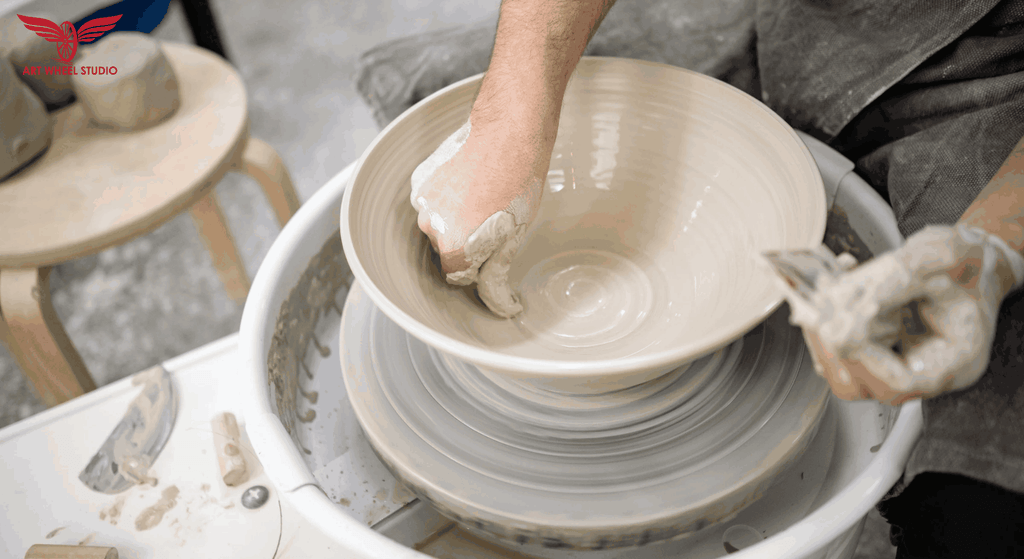
Are you interested in exploring pottery without using a pottery wheel? Hand-building ceramics in Imperial Beach offers a wonderful opportunity to discover the art of shaping clay by hand. Whether you are a beginner, an experienced artist, or someone looking for a creative activity, handbuilding allows you to turn simple clay into beautiful and functional ceramic pieces.
Unlike wheel throwing, hand-building does not require a rotating pottery wheel. Instead, artists use their hands, fingers, and simple tools to create different shapes, textures, and designs. From decorative bowls and handmade mugs to artistic sculptures, this pottery technique provides endless creative possibilities.
At Art Wheel Studio, people can explore the world of ceramics through hands-on pottery experiences. Whether you want to learn a new artistic skill, enjoy pottery classes in San Diego, or plan a creative date night, hand-building is an enjoyable way to experience working with clay.
If you live in Imperial Beach, Chula Vista, or the surrounding San Diego area, learning hand-building ceramics can be a rewarding creative experience.
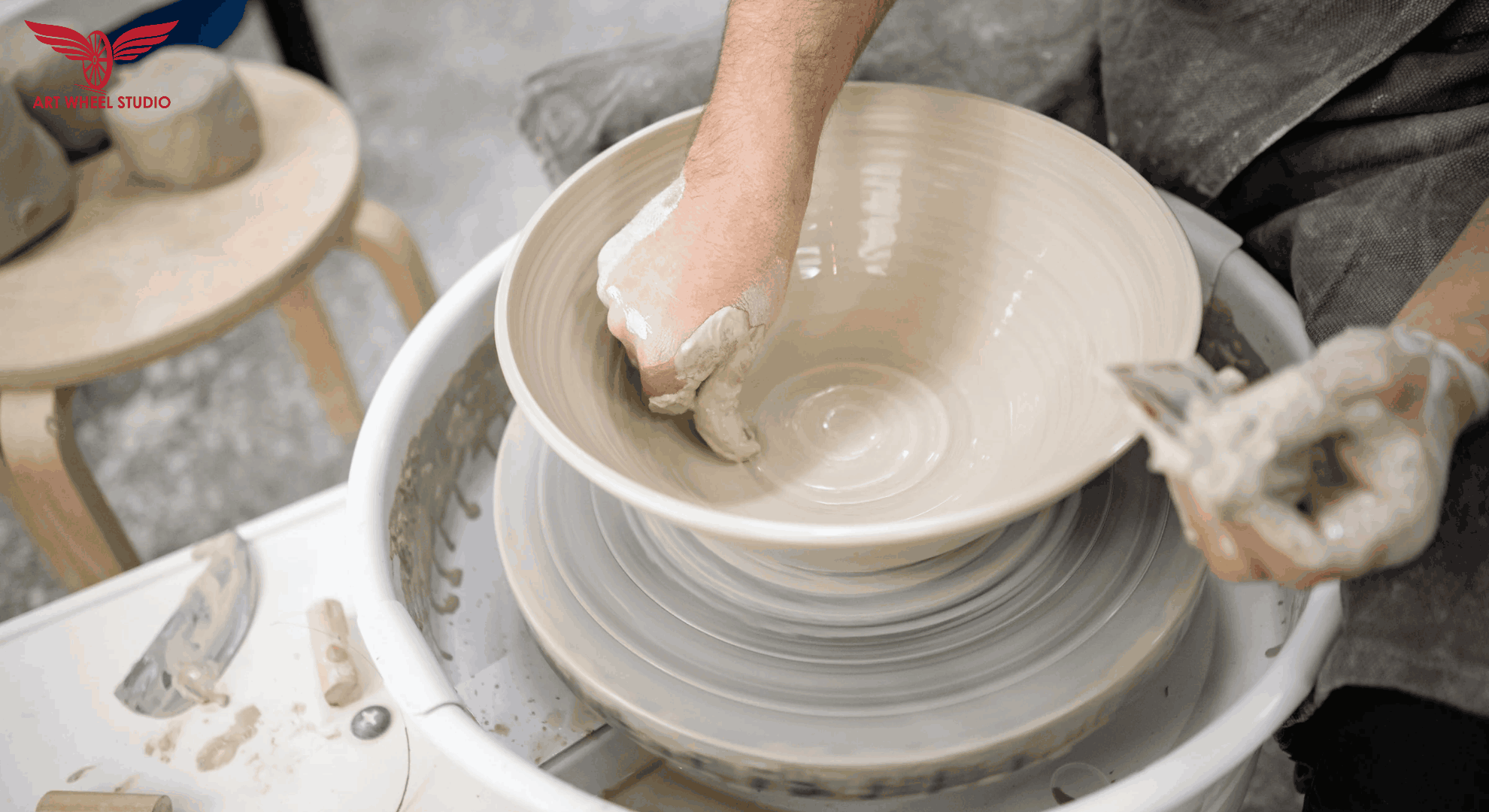
What Is Hand-Building Ceramics?
Hand-building ceramics is a traditional pottery technique in which artists create ceramic objects using their hands and basic tools instead of a pottery wheel.
It is one of the most accessible ways to start learning pottery because you do not need complicated equipment to begin shaping clay.
Artists use several techniques to create different forms. They can press clay with their fingers, roll it into long coils, or flatten it into slabs before assembling the pieces.
Handbuilding allows artists to create both functional and decorative objects, including:
- Handmade bowls and plates
- Decorative vases
- Ceramic mugs and cups
- Jewelry dishes
- Candle holders
- Small sculptures
- Wall decorations
- Personalized ceramic gifts
One of the biggest advantages of handbuilding is creative freedom. Every piece can have a different shape, texture, and personality.
Best Hand-Building Ceramics in Imperial Beach: What Makes a Great Pottery Experience?
Finding the best hand-building ceramics in Imperial Beach depends on the type of experience you want. Some people want to learn pottery as a long-term hobby, while others prefer a one-time creative workshop or a fun activity with friends.
A good pottery experience should make beginners feel comfortable while providing opportunities to experiment with different techniques.
Here are some important things to consider when choosing a pottery studio.
Beginner-Friendly Instruction
If you have never worked with clay, look for an experience that introduces basic pottery techniques. Learning how to prepare clay, shape simple forms, and connect different pieces can make the process easier.
Opportunities for Creative Expression
Handbuilding is not about making identical objects. A good learning experience encourages participants to experiment with different shapes, patterns, and textures.
Suitable Materials and Tools
Clay, wooden modeling tools, rolling pins, texture stamps, and shaping tools can help beginners explore different techniques.
A Welcoming Creative Environment
Pottery should be enjoyable and relaxing. A comfortable environment allows participants to focus on their projects and learn at their own pace.
Art Wheel Studio in Imperial Beach provides opportunities to explore ceramics through handbuilding and other pottery experiences. Beginners, couples, families, and groups can discover different ways of working with clay.
What Is Handbuilding Pottery Called?
Handbuilding pottery is commonly called ceramic handbuilding or hand-built pottery. It refers to creating ceramic objects without using a pottery wheel.
There are three primary handbuilding techniques:
1. Pinch Pottery
Pinch pottery is one of the simplest methods for beginners. It involves taking a small ball of clay and pressing a thumb into the center.
You then gently pinch the clay between your thumb and fingers while rotating it to create a bowl or container.
This technique is useful for making:
- Small bowls
- Ring dishes
- Miniature planters
- Decorative containers
- Small sculptures
Pinch pottery is a great way to understand how clay responds to pressure and movement.
2. Coil Building
Coil building involves rolling clay into long, rope-like pieces and joining them together to create a larger object.
The coils are placed one above another and connected by smoothing or joining the clay.
This technique is especially useful for creating:
- Tall vases
- Decorative pots
- Sculptural forms
- Large bowls
- Textured containers
Artists can leave the coils visible for a textured appearance or smooth them together to create a more uniform surface.
3. Slab Building
Slab building involves rolling clay into flat sheets and cutting them into different shapes.
The slabs are then connected to create functional or decorative objects.
This method is useful for making:
- Ceramic boxes
- Plates and trays
- Square planters
- Decorative wall pieces
- Soap dishes
- Handmade mugs
Slab building is particularly useful for geometric designs and projects that require flat surfaces.
These three techniques can also be combined to create more detailed ceramic artwork.
Pottery Classes San Diego: Learn Handbuilding Techniques
Pottery classes in San Diego offer an opportunity to explore ceramics through practical learning and creative experimentation.
Handbuilding is an excellent starting point for beginners because it allows them to understand clay without first learning how to control a pottery wheel.
At Art Wheel Studio, participants can explore different approaches to working with clay and develop their creativity through hands-on pottery experiences.
What Can You Learn in a Handbuilding Class?
A beginner-friendly handbuilding experience may introduce several important skills.
Clay Preparation: Learn how to prepare and condition clay before beginning a project.
Pinching and Shaping: Practice using your fingers to create bowls, containers, and other forms.
Rolling Clay Slabs: Understand how to create flat sheets with consistent thickness.
Coil Construction: Learn how to build ceramic objects using rolled clay.
Joining Clay Pieces: Discover how scoring and slip help connect separate pieces of clay.
Surface Decoration: Experiment with textures, patterns, and decorative details.
These techniques provide a useful foundation for anyone interested in developing pottery skills.
Why Are Handbuilding Classes Good for Beginners?
Handbuilding offers a flexible way to learn pottery. You can start with simple projects and gradually experiment with more detailed designs.
It also allows you to work at your own pace. If a shape does not look right, you can adjust it, reshape it, or try another approach.
With regular practice, you can develop better control over clay and learn how different techniques affect the final result.
Pottery Classes Chula Vista: Explore Creative Activities Nearby
If you are searching for pottery classes in Chula Vista, exploring nearby Imperial Beach can introduce you to additional creative opportunities.
Pottery is an enjoyable activity for people who want to learn a new skill, spend time with friends, or discover a relaxing artistic hobby.
Handbuilding is particularly suitable for group activities because participants can work on different projects using similar materials.
For example, one person might create a decorative bowl while another makes a small sculpture or handmade planter.
Art Wheel Studio in Imperial Beach provides pottery experiences for people interested in exploring ceramic art. It is worth contacting the studio to learn about available handbuilding sessions, private lessons, and group arrangements.
Date Night Pottery Class San Diego: A Creative Experience for Couples
Looking for something different from dinner and a movie? A date night pottery class in San Diego can be a fun way to spend quality time with your partner.
Handbuilding provides a relaxed environment where couples can work together, share creative ideas, and make something with their own hands.
You do not need to be an experienced artist. The goal is to enjoy the process and explore something new together.
Creative Date Night Pottery Ideas
Here are some projects couples can try during a pottery experience.
1. Matching Ceramic Mugs
Create two handmade mugs with different patterns or personalized designs. Each person can make a mug that reflects their personality.
2. Personalized Ring Dishes
Small ceramic dishes are simple to customize. You can add initials, patterns, or decorative details.
3. Decorative Ceramic Bowls
Create matching or complementary bowls using pinch or slab-building techniques.
4. Handmade Candle Holders
Design simple ceramic candle holders with unique textures and shapes.
5. Personalized Keepsakes
Make small sculptures or decorative objects that represent a shared memory or special occasion.
Benefits of Taking a Pottery Date Night Class
A pottery date night offers several advantages:
- Shared creativity: Both partners can participate in the same activity.
- Better communication: Couples can exchange ideas and help each other.
- A relaxing experience: Working with clay provides a break from everyday routines.
- Personalized artwork: Each person can create something meaningful.
- A memorable outing: The experience can become a special shared memory.
Art Wheel Studio offers pottery experiences and private event options that can be explored for couples and groups. Contact the studio to ask about suitable date night arrangements and availability.
What Are Some Creative Handbuilding Ideas for Ceramics?
One of the best things about handbuilding is the number of projects you can create without using a pottery wheel.
Whether you enjoy practical objects or decorative artwork, there are plenty of ways to experiment with clay.
Here are some creative handbuilding ideas for beginners and pottery enthusiasts.
1. Handmade Ceramic Planters
Create small planters for succulents, herbs, or decorative plants. You can experiment with round, square, or irregular shapes.
Adding textured patterns to the outside can make each planter unique.
2. Decorative Jewelry Dishes
Small jewelry dishes are simple projects for beginners. You can create shallow bowls and decorate them with flowers, geometric shapes, or personalized designs.
3. Textured Ceramic Plates
Use leaves, fabric, stamps, or other textured materials to create interesting surface patterns.
These plates can become decorative pieces or functional serving items when made with suitable clay and glaze.
4. Handmade Soap Dishes
A ceramic soap dish is a useful project that combines creativity with everyday functionality.
You can experiment with different shapes and add drainage holes to make the design more practical.
5. Miniature Animal Sculptures
Create small animals using pinch, coil, and slab techniques. This project is especially enjoyable for beginners who like imaginative artwork.
6. Ceramic Wall Decorations
Flat clay slabs can be shaped into decorative wall pieces. Add carved patterns, raised designs, or natural textures before firing.
7. Handmade Candle Holders
Create simple candle holders using pinch or slab techniques. Experiment with different heights, openings, and decorative details.
8. Personalized Ceramic Nameplates
Use flat clay slabs to create small nameplates for desks, doors, or shelves. Add letters, patterns, and other decorative elements.
9. Coil-Built Decorative Vases
Roll clay into coils and gradually build a vase. You can experiment with curved walls, irregular openings, and different surface textures.
10. Ceramic Trinket Boxes
Use slab-building techniques to create small boxes with separate lids. Add handles, carved patterns, or decorative designs to personalize the project.
The best project is one that matches your experience and allows you to enjoy the process of working with clay.
Who Are Some Famous Hand-Building Ceramic Artists?
Many influential ceramic artists have explored handbuilding to create unique vessels, sculptures, and experimental ceramic forms.
Studying their work can provide inspiration for anyone interested in developing their own artistic style.
Here are five notable artists whose ceramic practices offer interesting examples of hand-built and sculptural approaches.
1. Magdalene Odundo
Magdalene Odundo is internationally recognized for her distinctive ceramic vessels.
Her work often features elegant curves, carefully shaped forms, and beautifully finished surfaces. Her approach demonstrates how traditional hand-forming methods can produce sophisticated contemporary ceramics.
2. Betty Woodman
Betty Woodman was an influential American ceramic artist known for combining functional pottery with sculptural and painterly elements.
Her work explored color, shape, and the relationship between ceramics and other art forms. She often combined different ceramic forms to create expressive compositions.
3. Peter Voulkos
Peter Voulkos was a major figure in modern American ceramics.
He became known for large, expressive ceramic sculptures that challenged traditional ideas about pottery. His work often involved dramatic alterations, constructed forms, and experimental approaches to clay.
4. Viola Frey
Viola Frey was known for large-scale ceramic sculptures, including colorful human figures.
Her work demonstrates how clay can be used to create expressive three-dimensional artwork rather than only functional household objects.
5. Julia Kunin
Julia Kunin is a contemporary artist who explores ceramic sculpture, texture, and colorful surfaces.
Her work provides inspiration for people interested in combining traditional handbuilding techniques with imaginative sculptural designs.
These artists show that handbuilding is not limited to simple bowls and containers. It can become a powerful method of artistic expression.
What Is the Best Surface to Use for Handbuilding Clay?
Choosing the right working surface is important when creating ceramic pieces by hand.
The surface should provide enough support for the clay while allowing you to shape, roll, and move your project without unnecessary sticking or damage.
Some commonly used surfaces include the following.
1. Canvas-Covered Work Boards
A canvas-covered board is a popular option for handbuilding.
The slightly textured surface provides a useful working area for rolling slabs, shaping clay, and creating different forms.
Canvas can also make it easier to move some clay pieces without damaging their shape.
2. Plaster Boards
Plaster surfaces can be useful for certain pottery processes because they absorb moisture from clay.
They are particularly helpful when preparing or drying clay to achieve a firmer working consistency.
However, plaster should be kept separate from clay that will be reused. Plaster particles can contaminate clay and create serious problems during firing.
3. Wooden Boards
Wooden boards provide a stable surface for many handbuilding projects.
They are useful for shaping clay, assembling slabs, and supporting larger pieces. A suitable board should be clean, smooth, and free from materials that could contaminate the clay.
4. Dedicated Pottery Work Surfaces
Some studios use dedicated pottery work surfaces designed for clay preparation and handbuilding.
These surfaces can provide a consistent area for rolling, shaping, and assembling ceramic pieces.
Which Surface Should Beginners Choose?
For many beginner projects, a clean canvas-covered board or suitable wooden work board is a practical starting point.
The best choice depends on the type of clay, the project, and how much moisture control is required.
Avoid surfaces that are dirty, oily, or contaminated with materials that could affect your clay. Also, use appropriate supports when moving larger or delicate pieces.
Essential Tools for Handbuilding Ceramics
You do not need a large collection of expensive equipment to start handbuilding. A few basic tools can help you complete many beginner projects.
Some useful tools include:
- Rolling pin: Helps create flat and even clay slabs.
- Clay cutting wire: Used to cut clay into manageable sections.
- Wooden modeling tools: Help shape and smooth ceramic forms.
- Needle tool: Useful for trimming and marking clay.
- Sponge: Helps manage moisture and smooth surfaces.
- Texture stamps: Create decorative patterns.
- Ribs: Help shape, compress, and smooth clay.
- Scoring tool: Creates textured surfaces for joining clay pieces.
As you gain experience, you can explore additional tools based on your preferred techniques.
Important Tips for Successful Handbuilding
Handbuilding may look simple, but creating strong and well-formed ceramic objects requires attention to detail.
Here are some useful tips for beginners.
Maintain Consistent Thickness: Try to keep the walls of your project reasonably even. Uneven thickness can create drying and firing problems.
Avoid Excessive Water: Too much water can make clay difficult to control. Use only enough moisture to help shape and smooth the surface.
Join Pieces Correctly: When attaching separate clay pieces, score both surfaces and apply a suitable amount of slip before joining them.
Smooth Cracks Early: Small cracks are easier to repair before the clay becomes too dry.
Allow Proper Drying: Ceramic pieces need to dry gradually before firing. Rushing this process can increase the risk of cracking.
Experiment With Texture: Try different tools and materials to create interesting surface designs.
Be Patient: Learning pottery takes practice. Do not worry if your first project is not perfect.
Frequently Asked Questions About Hand-Building Ceramics
1. What is hand-building pottery called?
Hand-building pottery is also called ceramic handbuilding or hand-built ceramics. It involves creating pottery by hand using techniques such as pinching, coil building, and slab building.
2. Is handbuilding easier than pottery wheel throwing?
Many beginners find handbuilding easier to start because it does not require learning how to control a rotating wheel. However, both techniques require practice, patience, and attention to detail.
3. What can beginners make with handbuilding ceramics?
Beginners can create small bowls, jewelry dishes, planters, candle holders, soap dishes, decorative plates, and simple sculptures.
4. What is the best clay for handbuilding?
The best clay depends on the project and firing requirements. Many beginners use a suitable stoneware or earthenware clay body that offers good workability. Ask your instructor which clay is appropriate for the studio’s firing process.
5. Can you handbuild pottery without a wheel?
Yes. Handbuilding is specifically designed for creating ceramic objects without a pottery wheel. You can use your hands and simple tools to shape clay into different forms.
6. What is the best surface for handbuilding clay?
A clean canvas-covered board or suitable wooden work board is a practical choice for many handbuilding projects. Plaster boards can also be useful for specific moisture-control tasks.
7. Are handbuilding ceramics suitable for couples?
Yes. Handbuilding can be a fun shared activity for couples. You can create matching mugs, decorative bowls, personalized dishes, or other ceramic pieces together.
8. Where can I find pottery classes near Chula Vista?
Art Wheel Studio in nearby Imperial Beach offers pottery experiences for people interested in ceramics. Contact the studio to ask about available handbuilding sessions and private lessons.
9. Are pottery classes in San Diego suitable for beginners?
Yes. Beginner-friendly pottery experiences introduce basic techniques and provide opportunities to practice working with clay. Previous artistic experience is not necessary.
10. How long does it take to finish a handbuilt ceramic piece?
The shaping process may take one session, but the complete process takes longer. The piece usually needs to dry, undergo kiln firing, and sometimes receive glazing and another firing before it is ready.
Explore Hand-Building Ceramics at Art Wheel Studio in Imperial Beach
Hand-building ceramics offers an exciting way to explore creativity, learn practical artistic skills, and create unique objects from clay.
Whether you are interested in making decorative pottery, learning traditional ceramic techniques, or enjoying a creative date night, handbuilding provides many opportunities to experiment.
If you are searching for the best hand-building ceramics in Imperial Beach, pottery classes in San Diego, or pottery classes near Chula Vista, Art Wheel Studio is a place to explore.
From beginner-friendly pottery experiences to creative group activities and private sessions, the studio provides opportunities to discover the art of ceramics.
You do not need to be an experienced artist to begin. All you need is curiosity, creativity, and a willingness to get your hands into clay.