
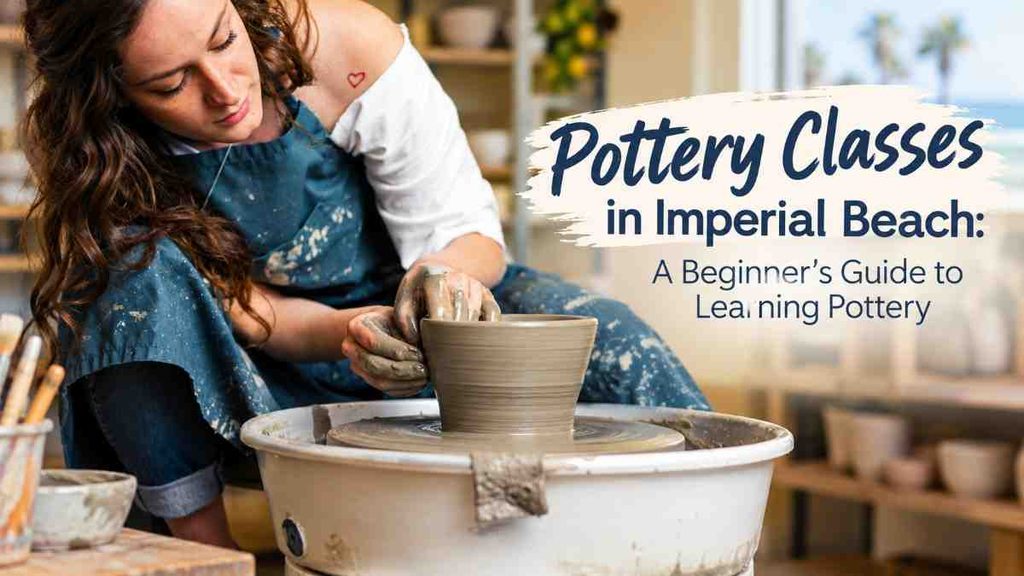
If you are looking for pottery classes in Imperial Beach, you have a great opportunity to learn a creative skill in a relaxed coastal setting. Pottery is enjoyable for people of many ages and skill levels. You do not need previous experience to start.
At Art Wheel Studio, students can explore the creative process of working with clay, learning pottery wheel techniques, and developing their own style. Whether you want to try pottery for the first time, take a class with a friend, or build a new creative hobby, a pottery class can be a fun way to spend time in Imperial Beach.
This guide explains what to expect from pottery classes, how much classes may cost, how long they usually take, and whether pottery is difficult for beginners.
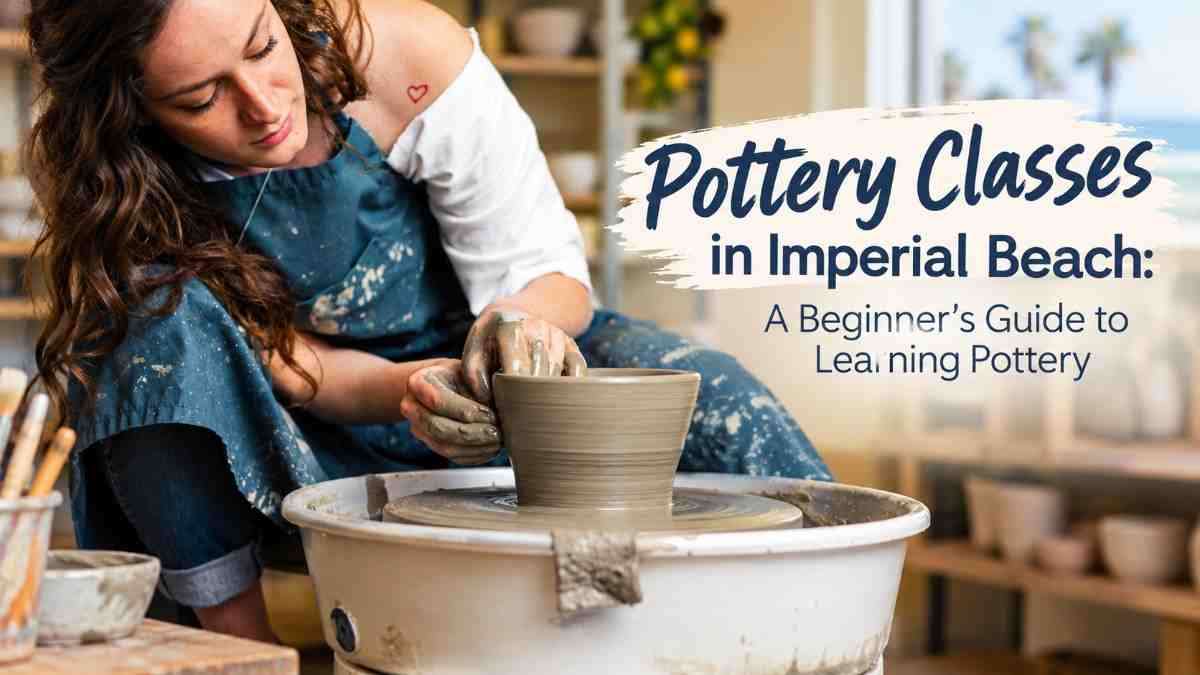
Pottery Classes in Imperial Beach
Imperial Beach is a beautiful coastal community in San Diego County. It offers a relaxed atmosphere that can make creative activities even more enjoyable.
A pottery class gives you the chance to work directly with clay instead of simply watching someone demonstrate the process. You can learn how to prepare clay, use pottery tools, shape simple forms, and understand how clay changes throughout the ceramic process.
For beginners, the pottery wheel can look difficult at first. However, an instructor can break the process into simple steps. With practice, you can learn how to center clay, open the clay, build the walls, and shape a basic piece.
Pottery classes can also be a great social activity. You can attend with a friend, partner, family member, or by yourself.
At Art Wheel Studio, the focus is on hands-on creativity and learning through the process. This makes pottery a good choice for people who want to try something different from traditional art classes.
Beginner Pottery Classes in Imperial Beach
If you have never worked with clay before, look for a beginner pottery class in Imperial Beach.
Beginner classes are designed to introduce you to the basic pottery process without assuming that you already know how to use a wheel or ceramic tools.
During a beginner class, you may learn:
- How to prepare and handle clay
- How to center clay on a pottery wheel
- How to open the clay
- How to pull and shape clay walls
- How to create simple bowls or cups
- How to use basic pottery tools
- How to smooth and refine a piece
- How pottery is dried and fired
- Basic glazing techniques
- How finished ceramic pieces are created
The exact activities depend on the studio and type of class.
Some beginner pottery classes are one-time experiences. Others are multi-week courses that give you more time to practice.
For example, San Diego-area studios currently offer beginner wheel classes in formats ranging from approximately 90-minute introductory sessions to four- or five-week courses.
Why Try Pottery in Imperial Beach?
There are many reasons to try pottery in Imperial Beach.
1. Learn a New Creative Skill
Pottery gives you a chance to create something with your hands. Instead of following a screen-based activity, you work directly with clay and physical materials.
You can start with simple forms and slowly develop your skills.
2. Take a Break From Your Routine
Creative activities can provide a welcome change from work, school, or daily responsibilities.
Spending time shaping clay allows you to focus on the activity in front of you. The process can be relaxing because you are concentrating on your hands, the clay, and the shape you are creating.
3. Make Something Yourself
One of the best parts of pottery is making a physical object from a simple piece of clay.
You may start with a lump of clay and eventually create a cup, bowl, vase, or another ceramic form.
The finished piece may not look perfect. That is part of the learning process.
4. Enjoy a Social Activity
Pottery classes can also be a fun activity with friends or family.
You can learn together, compare your creations, and enjoy the experience without needing to be an experienced artist.
5. Discover a New Hobby
A one-time pottery class can introduce you to ceramics. If you enjoy it, you can continue with additional classes, workshops, or studio practice.
Over time, you can develop more control over the wheel and experiment with different forms and surface designs.
How Much Is an Average Pottery Class?
One of the most common questions beginners ask is, “How much is an average pottery class?”
The answer depends on the type of class, location, class length, materials, firing fees, and whether the class is a single session or a multi-week course.
Current San Diego-area examples show that one-time beginner experiences can cost around $75–$90 per person, while multi-week beginner courses can cost roughly $325–$400 or more depending on the studio and what is included.
A pottery class may include some or all of the following:
- Clay
- Pottery wheel use
- Studio tools
- Instructor guidance
- Glazing
- Firing
- Finished pottery pieces
- Studio cleanup
Before booking a class, check what is included in the price.
A lower-priced class may only include instruction and clay, while another class may include glazing and firing as well.
For example, some local multi-week courses include clay, glaze, and firing in their listed price.
What Affects the Price of a Pottery Class?
Several factors can change the cost.
Class length: A 90-minute introductory class will usually cost less than a five-week course.
Materials: Clay, glaze, and other supplies can affect the total price.
Firing: Ceramic pieces must normally be fired in a kiln before they become finished pottery. Some studios include firing in the class fee.
Instructor support: Smaller classes with more individual instruction may have a higher price.
Class type: Private lessons, workshops, date-night experiences, and specialty classes can have different pricing.
Therefore, do not compare pottery classes based only on the advertised price. Look at what you receive for that price.
How Long Does a Pottery Class Usually Take?
Another common question is, “How long does a pottery class usually take?”
A single pottery experience can take approximately 90 minutes to several hours. Multi-week classes usually meet for two to three hours per session.
For example, some San Diego-area beginner experiences currently run for about 90 minutes, while other beginner courses have sessions lasting two to three hours.
A typical beginner wheel class may include:
- A short introduction
- Instructor demonstration
- Clay preparation
- Wheel practice
- Creating a basic form
- Refining the piece
- Cleanup
Remember that pottery does not end when the class ends.
Your clay piece may need time to dry before it can be fired. After the first firing, it may need to be glazed and fired again.
As a result, finished pottery may take several weeks before it is ready for pickup. Some San Diego studios specifically advise students that completed projects can take several weeks after the final class.
Is Pottery Hard for Beginners?
Pottery can be challenging at first, but that does not mean it is too difficult for a beginner.
The pottery wheel requires coordination. You need to control the clay while also controlling your hands and pressure. Centering clay is often one of the first challenges new students experience.
However, these skills improve with practice.
Your first bowl may not be perfectly round. Your first cup may have uneven walls. You may even collapse a piece while learning.
That is completely normal.
Pottery is a hands-on skill, so making mistakes is part of learning.
A good beginner class should help you understand why something went wrong and how you can improve the next time.
What Makes Pottery Easier?
You can make your pottery experience easier by following a few simple tips.
Start with a beginner class.
Do not worry about advanced pottery techniques when you are just starting.
Listen to your instructor.
Small changes in hand pressure can make a big difference.
Do not rush.
Trying to shape clay too quickly can make the process harder.
Practice centering.
Centering is one of the foundations of wheel throwing.
Accept mistakes.
Not every piece will survive. That is part of learning pottery.
Keep practicing.
The more time you spend with clay, the more comfortable the process becomes.
What Do You Learn in a Pottery Wheel Class?
A pottery wheel class usually focuses on several basic skills.
Centering
Centering is one of the first skills beginners learn.
You place the clay on the wheel and use your hands to bring it into a balanced position. When the clay is centered, it becomes easier to shape.
Opening the Clay
Once the clay is centered, you create an opening in the middle.
This is where your hands begin transforming the clay into a vessel.
Pulling the Walls
Next, you slowly pull the clay upward to create the walls of your piece.
This requires control and patience.
Shaping
After the basic form is created, you can shape it into a bowl, cup, cylinder, vase, or another design.
Trimming
Once the piece becomes firm enough, trimming can help refine the bottom and improve the final shape.
Glazing
Glaze adds color, texture, and a finished surface to ceramic work.
The glaze is normally applied after the piece has gone through an initial firing.
Firing
A kiln is used to fire ceramic pieces at high temperatures.
The firing process helps turn dried clay into a durable ceramic object.
Pottery Classes San Diego: Is Imperial Beach a Good Place to Start?
If you search for pottery classes San Diego, you will find a variety of studios and class formats throughout the area.
Some studios offer beginner wheel throwing. Others provide handbuilding classes, workshops, private lessons, open studio time, or multi-week programs.
For someone living in or visiting Imperial Beach, starting with a local class can be more convenient than traveling across San Diego.
Imperial Beach also provides a coastal setting that makes a creative day more enjoyable.
You can plan your pottery class as part of a larger day out rather than treating it as a standalone activity.
Pottery Classes Chula Vista
People searching for pottery classes Chula Vista may also consider studios in nearby communities.
Chula Vista is close enough to Imperial Beach that students may compare class schedules, prices, class types, and travel time before choosing a studio.
However, convenience matters.
If you live in Imperial Beach, a pottery class close to home can make it easier to attend regularly. This becomes especially important if you decide to take a multi-week pottery course.
When comparing Imperial Beach and Chula Vista pottery options, consider:
- Distance from your home
- Class schedule
- Beginner availability
- Wheel versus handbuilding
- Class size
- Materials included
- Firing fees
- Instructor experience
- Pickup process
- Private versus group instruction
Pottery Classes Del Mar
Another search you may come across is pottery classes Del Mar.
Del Mar has a different location and atmosphere from Imperial Beach, but people throughout San Diego County may search for pottery classes across the region.
If you are comparing pottery studios, focus on the type of experience you want rather than choosing a studio based only on location.
For example, a beginner may prefer a small class with hands-on instruction. Someone with previous experience may prefer open studio access.
Your ideal class depends on your goals.
Pottery Wheel vs. Handbuilding
There are two common ways beginners start working with clay: pottery wheel throwing and handbuilding.
Pottery Wheel
Wheel throwing involves placing clay on a rotating pottery wheel and shaping it with your hands.
It is a popular choice for people who want to learn how to make:
- Cups
- Bowls
- Mugs
- Plates
- Vases
- Cylinders
The wheel can be challenging at first, but many students enjoy the process of learning to control the clay.
Handbuilding
Handbuilding does not require a pottery wheel.
Instead, you can shape clay using your hands and simple tools.
Common handbuilding techniques include:
- Pinching
- Coiling
- Slab building
- Carving
- Texturing
Handbuilding can be a great choice if you want more freedom to create sculptural or unusual shapes.
If you are unsure which method is right for you, ask the studio whether they offer an introductory class that includes both techniques.
What Should You Bring to a Pottery Class?
You usually do not need a large collection of pottery tools for your first class.
Depending on the studio, you may want to bring:
- An apron
- Comfortable clothing
- A small towel
- Water
- A notebook if you like taking notes
Avoid wearing expensive clothing that you do not want to get dirty.
Clay can be messy, especially when you are learning to use a pottery wheel.
Many studios provide the main tools and materials required for beginners. However, always check the class instructions before attending.
What Should You Wear to a Pottery Class?
Comfort is more important than style when working with clay.
Choose clothing that allows you to move your arms easily.
Short sleeves or fitted sleeves can be helpful because loose clothing may get in the way while working on the wheel.
Wear shoes that you do not mind getting dirty.
An apron can protect your clothing from clay and water.
Most importantly, come prepared to get your hands messy.
What Can You Make in a Beginner Pottery Class?
Beginners often start with simple forms.
Depending on the class, you may create:
- Small bowls
- Cups
- Mugs
- Plates
- Small vases
- Decorative objects
- Small planters
The goal of your first class is not necessarily to create a perfect piece.
Instead, you are learning how clay behaves.
Once you understand the basic process, you can start experimenting with larger pieces and more complex shapes.
What Are Some Things to Do in Imperial Beach?
If you are taking pottery classes in Imperial Beach, you can turn your class into a full creative day.
Imperial Beach is known for its coastal atmosphere, so visitors can combine a pottery experience with other local activities.
Depending on the day and season, you might:
- Walk along the beach
- Watch the sunset
- Explore the local area
- Spend time outdoors
- Visit nearby restaurants and cafés
- Take photographs
- Enjoy time with friends or family
- Combine a pottery class with a beach outing
This makes pottery particularly appealing as a weekend activity.
You can spend part of the day learning a creative skill and then enjoy the coastal environment afterward.
Is Pottery a Good Activity for Couples?
Yes.
Pottery can be an enjoyable activity for couples because you are both learning something new at the same time.
You can encourage each other, laugh about mistakes, and create something that you can remember from the experience.
It can also be a good alternative to a traditional dinner or movie date.
If you are looking for a creative date idea in Imperial Beach, consider trying a pottery class together.
Is Pottery Good for Families?
Pottery can also be a fun family activity when the studio offers classes suitable for the ages of everyone attending.
Working with clay gives children and adults a chance to create something with their hands.
However, age limits vary between studios. Always check the class requirements before booking.
For younger students, a class designed specifically for children may be a better option than an adult beginner wheel class.
What Should Beginners Look for in a Pottery Class?
Choosing the right class can make your first pottery experience much easier.
Look for a class that clearly states that beginners are welcome.
You should also consider whether the class provides:
- Step-by-step instruction
- Individual guidance
- Clay and tools
- Wheel access
- Glazing
- Firing
- A small or comfortable class environment
- Clear pickup instructions
If you are completely new to pottery, instructor support is especially important.
A supportive instructor can help you understand the process without making you feel pressured to create perfect work.
Why Choose Art Wheel Studio for Pottery in Imperial Beach?
Art Wheel Studio provides a local option for people searching for pottery classes in Imperial Beach.
Its location makes it convenient for people who want to explore pottery without traveling far from the Imperial Beach area.
For beginners, the most important part of a pottery class is having an environment where you can learn, practice, and enjoy the creative process.
Whether you have always wanted to try a pottery wheel or simply want to do something different, pottery can be a rewarding experience.
You do not need to consider yourself an artist before taking a class.
You simply need to be willing to learn and get your hands dirty.
Frequently Asked Questions About Pottery Classes in Imperial Beach
How much does a pottery class cost?
The price depends on the class format. In the San Diego area, current examples range from roughly $75–$90 for some one-time beginner experiences to $325–$400 or more for multi-week courses. Always check whether clay, glazing, firing, and tools are included.
How long does a pottery class usually take?
A one-time pottery class may last around 90 minutes to several hours. Multi-week classes commonly run for about two to three hours per session.
Is pottery hard for beginners?
Pottery has a learning curve, especially when using a wheel. However, beginners can learn the basic techniques with proper instruction and practice.
Do I need pottery experience?
No. Many beginner pottery classes are specifically designed for people with little or no previous experience.
What is easier, handbuilding or wheel throwing?
It depends on the person. Handbuilding can feel more accessible at first because you do not need to control a spinning wheel. Wheel throwing can be more challenging initially but is very rewarding with practice.
Can I take a one-time pottery class?
Yes. Some studios offer introductory or one-time pottery experiences. These are a good choice if you want to try pottery before committing to a multi-week course.
Can I make a mug in a pottery class?
You may be able to make a mug during a beginner course, depending on the class format and your skill level. Creating the form is only one part of the process because the piece also needs to dry, be fired, glazed, and fired again.
How long does it take to get finished pottery?
Finished pottery may take several weeks because the clay needs to dry and go through one or more firing stages. The exact timeline depends on the studio’s firing schedule and the type of class.
What should I wear to pottery class?
Wear comfortable clothes that you do not mind getting dirty. An apron can help protect your clothing, and closed-toe shoes are a practical choice.
Is pottery a good activity in Imperial Beach?
Yes. Pottery can be a fun creative activity to combine with other things to do around Imperial Beach. You can enjoy a hands-on class and then spend time exploring the coastal area.
Start Your Pottery Journey in Imperial Beach
You do not have to be an experienced artist to enjoy pottery.
A beginner pottery class can teach you the basics while giving you time to experiment with clay and discover your own creative style. You may make mistakes along the way, but those mistakes are part of the learning process.
If you are searching for pottery classes in Imperial Beach, consider starting with a beginner-friendly experience at Art Wheel Studio. It can be a great way to learn the basics of pottery, spend time creating something by hand, and discover a new hobby in the Imperial Beach community.